How to Reverse a “Bad” Filler Job (Hyaluronidase Explained)
Dermal fillers have become one of the most popular non-surgical cosmetic treatments worldwide. They help enhance facial features, restore lost volume, and smooth wrinkles. However, not every filler treatment goes as planned.
Sometimes the results may look uneven, overfilled, or unnatural. In these cases, patients often wonder if the filler can be reversed.
The good news is that most hyaluronic acid fillers can be safely dissolved using a special enzyme called hyaluronidase. This treatment allows aesthetic practitioners to correct or reverse unwanted results quickly and safely.
In this guide, we will explain how bad filler jobs happen, how hyaluronidase works, and what you should expect from filler reversal treatment.
What Is Hyaluronidase?
Hyaluronidase is a naturally occurring enzyme that breaks down hyaluronic acid, the main ingredient used in most dermal fillers.
Since many popular fillers are made of hyaluronic acid, this enzyme can dissolve the filler and restore the treated area to its original appearance.
Hyaluronidase has been used in medicine for decades and is widely considered safe when administered by a trained professional.
It works by:
- Breaking down hyaluronic acid molecules
- Allowing the body to absorb the dissolved filler
- Reducing unwanted volume or lumps
The effects of hyaluronidase are usually noticeable within 24–48 hours.
Signs You May Need Filler Dissolving
Not every filler treatment needs to be reversed. Minor swelling or unevenness is common during the first few days after treatment and usually resolves on its own.
However, some situations may require dissolving the filler.
Common reasons include:
1. Overfilled or “Pillow Face” Appearance
Too much filler can create an unnatural look, especially in the cheeks or lips.
2. Lumps or Bumps
Improper filler placement may result in visible lumps beneath the skin.
3. Asymmetry
Sometimes one side of the face looks different from the other.
4. Migration of Filler
Filler may move away from the original injection site, especially around the lips.
5. Tyndall Effect
A bluish tint under the skin can occur when filler is injected too superficially.
6. Vascular Complications
In rare cases, filler can block blood vessels. Immediate treatment with hyaluronidase is critical in these situations.
If you experience any of these issues, consult a qualified aesthetic practitioner immediately.
How Hyaluronidase Dissolves Dermal Fillers
The filler dissolving procedure is relatively simple and quick.
Step 1: Consultation
Your practitioner will evaluate the filler, discuss your concerns, and determine whether hyaluronidase is the best solution.
Step 2: Allergy Test (Sometimes Required)
Some clinics perform a small patch test to ensure you are not allergic to hyaluronidase.
Step 3: Injection
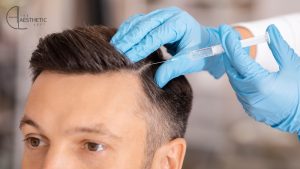
Hyaluronidase is injected directly into the area where the filler needs to be dissolved.
Step 4: Filler Breakdown
The enzyme starts breaking down the hyaluronic acid filler almost immediately.
Step 5: Natural Absorption
The body gradually absorbs the dissolved filler over the next 24–72 hours.
The procedure usually takes 10–20 minutes.
How Quickly Does Hyaluronidase Work?
Many patients begin seeing improvements within a few hours after treatment.
However, the full results usually appear within 1 to 3 days.
In some cases, more than one session may be needed, particularly if:
- A large amount of filler was used
- The filler is deeply injected
- The filler is several months old
What Happens After Filler Dissolving?
After hyaluronidase treatment, you may experience mild side effects.
Common temporary effects include:
- Mild swelling
- Redness
- Tenderness at injection sites
- Minor bruising
These symptoms typically resolve within a few days.
Most patients can return to normal activities immediately after the procedure.
Can You Get Fillers Again After Dissolving Them?
Yes, many patients choose to have fillers again after dissolving a bad result.
However, most practitioners recommend waiting 2 to 4 weeks before reinjecting filler. This allows the area to heal fully and ensures all previous filler has been dissolved.
A skilled injector can then re-create a more natural and balanced result.
Are All Dermal Fillers Reversible?
Hyaluronidase only works on hyaluronic acid fillers.
Common reversible fillers include:
- Juvederm
- Restylane
- Belotero
- Teosyal
Fillers made from other materials, such as calcium hydroxylapatite or poly-L-lactic acid, cannot be dissolved with hyaluronidase.
This is why many aesthetic practitioners prefer hyaluronic acid fillers—they offer a safety net if corrections are needed.
How to Avoid a Bad Filler Job
Prevention is always better than correction. Choosing the right injector significantly reduces the risk of complications.
Here are some tips:
Choose a Qualified Practitioner
Look for licensed medical professionals with experience in aesthetic medicine.
Review Before-and-After Photos
This helps you assess the provider’s skill and style.
Start Conservatively
It’s easier to add more filler later than to remove too much.
Communicate Your Goals
Clear expectations help achieve better results.
Final Thoughts
A bad filler result can be stressful, but the good news is that most hyaluronic acid fillers are completely reversible.
Hyaluronidase provides a safe and effective solution for correcting overfilled areas, uneven results, or misplaced filler. With the help of an experienced practitioner, patients can restore their natural appearance and achieve better results in future treatments.
If you are unhappy with your filler results, consult a qualified aesthetic specialist who can evaluate your situation and recommend the best correction approach.