Jowl Reduction Without Surgery: Your Complete Guide
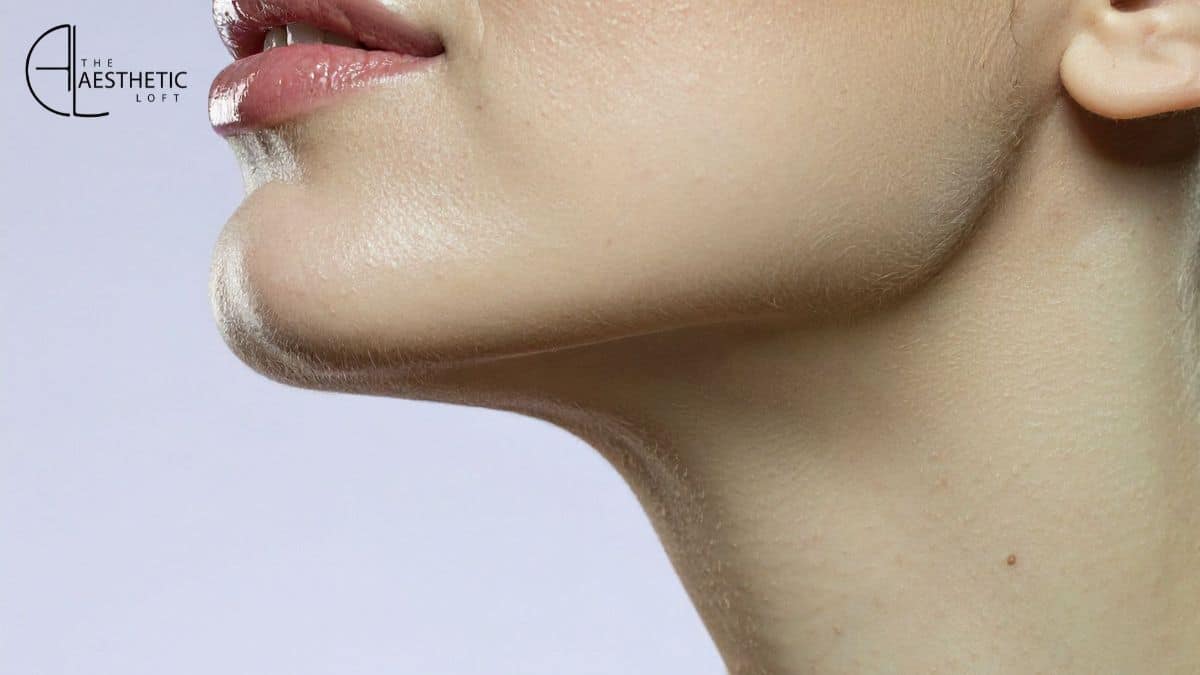
Jowls are one of the most common signs of facial aging. As skin loses elasticity and facial tissues begin to sag, loose skin can develop along the jawline, creating heaviness around the lower face.
For many people, jowls can:
- Make the face appear older
- Blur jawline definition
- Create a tired or sagging appearance
While surgical facelifts were once the only effective solution, modern aesthetic treatments now offer several non-surgical options that can improve mild to moderate jowls with little to no downtime.
In this complete guide, we’ll explain:
- What causes jowls
- The best non-surgical treatments available
- Which treatments work best for different types of jowls
- Expected results, downtime, and costs
- Whether non-surgical jowl reduction is truly effective
What Are Jowls?
Jowls refer to the sagging skin and soft tissue that develop along the lower cheeks and jawline.
They usually appear gradually as part of the natural aging process and can vary from mild looseness to more noticeable sagging.
Jowls commonly:
- Soften jawline definition
- Create heaviness near the mouth
- Make the lower face look less lifted
What Causes Jowls?
Jowls develop due to a combination of aging-related changes.
Collagen & Elastin Loss
As we age, the body produces less collagen and elastin.
This causes:
- Skin laxity
- Reduced firmness
- Sagging tissues
Volume Loss
Fat pads in the face naturally shrink and shift downward over time, reducing structural support.
Gravity
Over the years, gravity gradually pulls facial tissues downward.
Genetics
Some people are genetically more prone to developing jowls earlier.
Weight Fluctuations
Repeated weight gain and loss can contribute to loose skin around the jawline.
Sun Damage
Excessive UV exposure accelerates collagen breakdown and skin aging.
Can Jowls Be Reduced Without Surgery?
Yes—for mild to moderate jowls, non-surgical treatments can significantly improve jawline definition and skin firmness.
However, it’s important to have realistic expectations.
Non-surgical treatments:
- Improve and tighten the area
- Reduce mild sagging
- Stimulate collagen production
But they do not provide the same dramatic results as a surgical facelift.
The best treatment depends on:
- Skin laxity severity
- Age
- Facial structure
- Fat distribution
- Collagen quality
Best Non-Surgical Treatments for Jowl Reduction
Dermal Fillers for Jawline Support
Dermal fillers are commonly used to improve jawline definition and reduce the appearance of jowls.
Rather than simply filling the jowl itself, experienced practitioners often restore support in surrounding areas such as:
- Cheeks
- Jawline
- Chin
This creates a lifting effect and improves facial balance.
How Fillers Help Jowls
Fillers work by:
- Restoring lost volume
- Improving structural support
- Creating sharper jawline contours
- Reducing shadowing and sagging appearance
Best Candidates for Fillers
Fillers are ideal for:
- Mild jowls
- Early facial sagging
- Volume loss around the lower face
Benefits of Fillers
- Immediate results
- Minimal downtime
- Improved jawline definition
- Non-surgical facial contouring
HIFU (High-Intensity Focused Ultrasound)
HIFU is one of the most popular non-surgical skin tightening treatments for jowls.
It uses ultrasound energy to target deeper layers beneath the skin and stimulate collagen production.
How HIFU Works
HIFU heats deep tissue layers, including the SMAS layer—the same layer addressed during surgical facelifts.
This encourages:
- Skin tightening
- Collagen remodeling
- Gradual lifting effects
Best Candidates for HIFU
HIFU works best for:
- Mild to moderate skin laxity
- Early jowls
- Patients want a gradual, natural improvement
Benefits of HIFU
- Non-invasive
- No downtime
- Long-term collagen stimulation
- Gradual natural-looking results
Radiofrequency (RF) Skin Tightening
Radiofrequency treatments use controlled heat to tighten skin and stimulate collagen.
Popular RF technologies include:
- Thermage
- Morpheus8
- RF microneedling
How RF Tightening Helps
RF energy:
- Tightens loose skin
- Improves elasticity
- Stimulates collagen production
Benefits of RF Treatments
- Minimal downtime
- Improved skin texture
- Firmer jawline appearance
- Suitable for multiple skin types
PDO Thread Lift for Jowls
PDO thread lifts provide a more noticeable lifting effect compared to energy-based treatments.
Dissolvable threads are inserted under the skin to reposition sagging tissues.
How PDO Threads Work
Threads:
- Physically lift the skin
- Stimulate collagen production
- Improve jawline contour
Best Candidates for PDO Threads
Ideal for:
- Moderate jowls
- Patients wanting more lifting without surgery
Benefits of PDO Threads
- Immediate lifting effect
- Minimal downtime
- Natural-looking results
- Collagen stimulation over time
Fat Reduction Treatments for Heavy Jowls
Sometimes jowls are worsened by excess fat under the jawline.
In these cases, fat-reduction treatments may help.
Common Options
Fat Dissolving Injections
Used to reduce localized fat deposits.
RF Fat Reduction
Some RF devices also help tighten skin while reducing fat.
Best Candidates
Patients with:
- Mild skin laxity
- Excess lower-face fullness
Which Treatment Is Best for Your Type of Jowls?
Mild Jowls
Best options:
- HIFU
- RF tightening
- Skin boosters
Volume-Loss Related Jowls
Best options:
- Dermal fillers
- Combination filler treatments
Moderate Skin Sagging
Best options:
- PDO thread lift
- HIFU + fillers combination
Fat-Related Lower Face Fullness
Best options:
- Fat dissolving treatments
- RF contouring
Combination Treatments Often Work Best
In many cases, combining treatments provides better and more natural-looking results.
Common Combination Approaches
Fillers + HIFU
- Volume restoration + tightening
Threads + RF Tightening
- Immediate lift + collagen stimulation
Fat Reduction + Skin Tightening
- Improved contour + firmer skin
A personalized treatment plan usually delivers the best outcome.
How Long Do Results Last?
Results vary depending on the treatment used.
Dermal Fillers
Typically last:
- 9 to 18 months
HIFU
Results can last:
- 12 to 18 months
RF Tightening
Maintenance sessions may be needed every:
- 6 to 12 months
PDO Threads
Results often last:
- 12 to 18 months
Downtime & Recovery
One of the biggest advantages of non-surgical jowl reduction is minimal downtime.
Common Temporary Side Effects
Swelling
Usually mild and temporary.
Bruising
Possible after injections or threads.
Tenderness
The treated area may feel slightly sore for a few days.
Most patients return to normal activities quickly.
Are Non-Surgical Jowl Treatments Safe?
When performed by qualified professionals, these treatments are generally safe.
However, choosing an experienced practitioner is critical because the lower face contains important nerves, blood vessels, and facial structures.
When Surgery May Be the Better Option
Non-surgical treatments work best for mild to moderate aging changes.
If you have:
- Significant loose skin
- Advanced sagging
- Severe jowls
then a surgical facelift may provide more dramatic and longer-lasting results.
How to Maintain Results Longer
To help maintain your results:
Protect Your Skin from Sun Damage
Daily sunscreen helps preserve collagen.
Maintain Stable Weight
Frequent weight fluctuations can worsen sagging.
Follow Good Skincare Habits
Medical-grade skincare can support collagen health.
Avoid Smoking
Smoking accelerates skin aging and collagen breakdown.
Final Thoughts
Jowls are a natural part of aging, but modern aesthetic treatments now offer effective non-surgical ways to tighten, contour, and rejuvenate the lower face.
From fillers and HIFU to PDO threads and RF tightening, there are multiple treatment options available depending on your skin quality, facial structure, and aging concerns.
The best results usually come from a customized treatment plan designed by an experienced practitioner who understands facial anatomy and balanced rejuvenation.
For many people, non-surgical jowl reduction can significantly improve jawline definition and restore a fresher, more youthful appearance—without surgery or lengthy recovery.
FAQs
What is the best non-surgical treatment for jowls?
The best treatment depends on the cause of the jowls. HIFU, fillers, PDO threads, and RF tightening are among the most effective options.
Can fillers get rid of jowls?
Fillers can improve mild jowls by restoring support and improving jawline contour.
Does HIFU work for jowls?
Yes, HIFU can tighten mild to moderate sagging and stimulate collagen production.
Are PDO threads better than fillers for jowls?
Threads provide more lifting, while fillers restore volume. Many patients benefit from combining both.
How long do non-surgical jowl treatments last?
Results vary by treatment but typically last between 6 and 18 months.