Tear Trough Fillers vs. Under Eye PRP: Which is Better for Dark Circles?
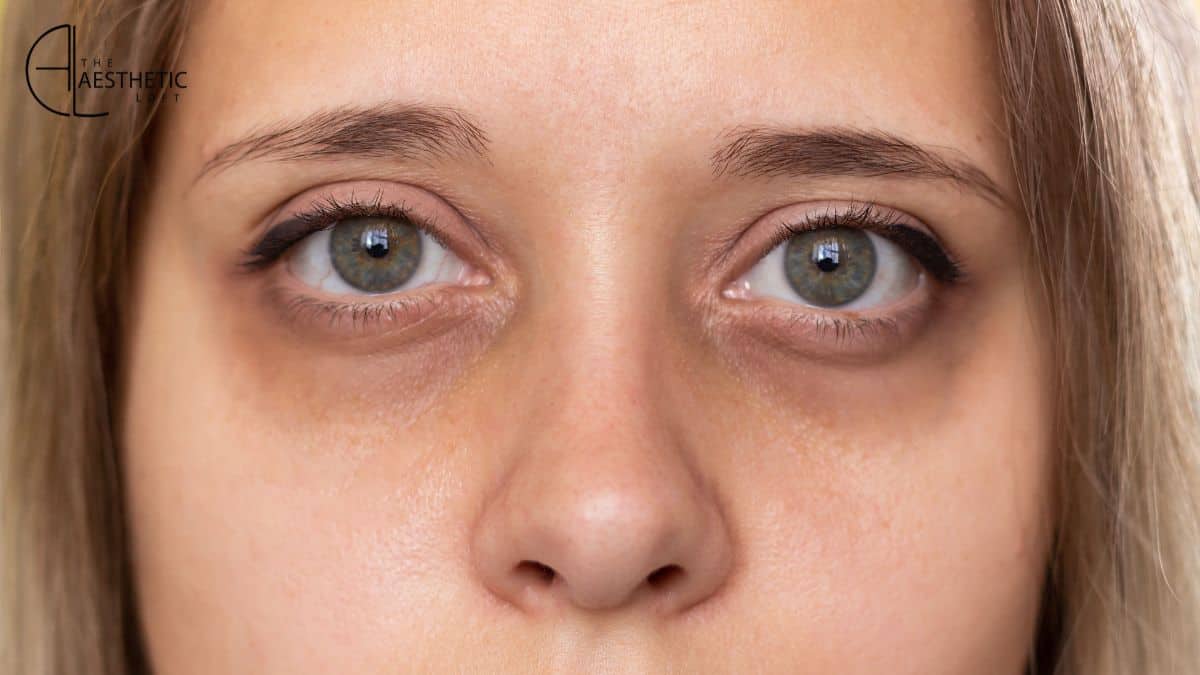
Dark circles and tired-looking eyes are among the most common aesthetic concerns today. Even with proper sleep and skincare, many people still struggle with:
- Hollow under the eyes
- Dark circles
- Fine lines
- A constantly tired appearance
Two of the most popular non-surgical treatments for under-eye rejuvenation are:
- Tear trough fillers
- Under-eye PRP (Platelet-Rich Plasma)
Both treatments can improve the appearance of the under-eye area, but they work in very different ways.
In this detailed guide, we’ll compare tear trough fillers and PRP to help you understand:
- How each treatment works
- Which concerns do they treat best
- Results, risks, downtime, and longevity
- Which option is better for your specific type of dark circles
Understanding Dark Circles: Why They Happen
Before choosing a treatment, it’s important to understand that not all dark circles are the same.
Different causes require different solutions.
Common Causes of Dark Circles
Volume Loss & Hollowness
As we age, the under-eye area loses fat and collagen, creating hollow tear troughs and shadows.
This often makes people look tired even when they are well-rested.
Pigmentation
Some dark circles are caused by excess pigmentation under the eyes.
This may be related to:
- Genetics
- Sun exposure
- Post-inflammatory pigmentation
Thin Skin & Visible Blood Vessels
The under-eye skin is extremely thin. In some people, blood vessels become more visible, creating bluish or purple discoloration.
Aging & Collagen Loss
Loss of collagen makes the skin thinner and less elastic over time.
Lifestyle Factors
Lack of sleep, dehydration, stress, smoking, and allergies can all worsen under-eye darkness.
What Are Tear Trough Fillers?
Tear trough fillers are injectable dermal fillers used to restore lost volume under the eyes.
Most tear trough fillers contain hyaluronic acid, a naturally occurring substance that attracts moisture and adds support beneath the skin.
The treatment helps:
- Reduce hollowness
- Minimize shadows
- Create a smoother transition between the lower eyelid and cheek
How Tear Trough Fillers Work
The filler is carefully injected into the tear trough area to:
- Replace lost volume
- Lift hollow areas
- Reflect light more evenly
This reduces the shadowing effect that often causes dark circles to appear worse.
Best Candidates for Tear Trough Fillers
Fillers work best for people with:
- Hollow under the eyes
- Volume loss
- Deep tear troughs
- Shadow-related dark circles
They are less effective for:
- Significant pigmentation
- Severe skin laxity
- Puffy under-eye bags
Benefits of Tear Trough Fillers
Immediate Results
Most patients notice improvement immediately after treatment.
Reduced Hollowness
Fillers restore lost volume and smooth the under-eye contour.
Fresher Appearance
The eyes often appear brighter and less tired.
Minimal Downtime
Most people return to daily activities quickly.
What Is Under Eye PRP?
Under-eye PRP (Platelet-Rich Plasma) is a regenerative treatment that uses your body’s own platelets to rejuvenate the skin.
Blood is drawn from your arm, processed in a centrifuge, and the platelet-rich plasma is injected into the under-eye area.
PRP works by stimulating:
- Collagen production
- Tissue repair
- Skin regeneration
Unlike fillers, PRP does not add volume.
How Under Eye PRP Works
PRP delivers growth factors that help improve skin quality over time.
It can:
- Thicken thin skin
- Improve texture
- Reduce pigmentation
- Stimulate collagen naturally
Results develop gradually as the skin regenerates.
Best Candidates for Under-Eye PRP
PRP is ideal for people with:
- Thin under-eye skin
- Mild pigmentation
- Fine lines
- Early signs of aging
It is less effective for:
- Deep hollowness
- Significant volume loss
Benefits of Under-Eye PRP
Natural Treatment
PRP uses your own blood, reducing the risk of allergic reactions.
Improved Skin Quality
The treatment enhances overall skin texture and elasticity.
Collagen Stimulation
PRP supports long-term skin rejuvenation.
Better for Thin Skin
PRP can strengthen delicate under-eye skin over time.
Tear Trough Fillers vs PRP: Key Differences
Treatment Goal
Tear Trough Fillers
Primarily treat:
- Volume loss
- Hollowness
- Shadowing
Under Eye PRP
Primarily treats:
- Skin quality
- Pigmentation
- Fine lines
Speed of Results
Fillers
Results are visible almost immediately.
PRP
Results develop gradually over weeks and multiple sessions.
Longevity
Fillers
Typically last:
- 9 to 18 months
PRP
Results vary but often require:
- Multiple maintenance sessions
Downtime
Fillers
Minimal downtime with mild swelling or bruising.
PRP
Slight redness or swelling may occur temporarily.
Risk Profile
Fillers
Potential risks include:
- Swelling
- Lumps
- Tyndall effect (bluish appearance)
- Rare vascular complications
PRP
Generally, it is a lower risk because it uses your own plasma.
Which Treatment Is Better for Different Types of Dark Circles?
Best for Hollow Under Eyes
Winner: Tear Trough Fillers
If shadows and volume loss cause dark circles, fillers are usually the better option.
Best for Pigmentation
Winner: Under Eye PRP
PRP may improve skin tone and texture over time.
Best for Thin, Crepey Skin
Winner: PRP
PRP stimulates collagen and improves skin quality naturally.
Best for Instant Improvement
Winner: Fillers
Fillers provide immediate visible correction.
Can You Combine Tear Trough Fillers and PRP?
Yes—and many clinics combine both treatments for enhanced results.
Combination Approach Benefits
- Fillers restore volume
- PRP improves skin quality
- Better long-term rejuvenation
This combined approach often delivers more natural and comprehensive results.
What to Expect During the Procedure
Tear Trough Fillers
Procedure Time
Usually:
- 20 to 30 minutes
Recovery
Minor swelling or bruising may occur for a few days.
Under Eye PRP
Procedure Time
Usually:
- 30 to 45 minutes
Recovery
Mild redness and swelling typically resolve quickly.
Are These Treatments Painful?
Both procedures are generally well tolerated.
Clinics often use:
- Numbing cream
- Fine needles or cannulas
Most patients report only mild discomfort.
Who Should Avoid These Treatments?
Tear Trough Fillers May Not Be Suitable If You Have:
- Severe eye bags
- Significant skin laxity
- Certain medical conditions
PRP May Not Be Suitable If You Have:
- Blood disorders
- Active infections
- Certain healing disorders
A professional consultation is essential before treatment.
How Much Do These Treatments Cost?
Costs vary depending on:
- Clinic expertise
- Product quality
- Number of sessions required
- Geographic location
Generally:
- Tear trough fillers have a higher upfront cost
- PRP may require multiple sessions over time
Choosing the Right Practitioner Matters
The under-eye area is delicate and technically challenging.
Poorly performed treatments can lead to:
- Puffiness
- Unevenness
- Swelling
- Unsatisfactory results
Always choose a qualified and experienced practitioner with expertise in under-eye rejuvenation.
Final Verdict: Which Is Better?
The answer depends entirely on the cause of your dark circles.
Choose Tear Trough Fillers If:
- You have hollow under your eyes
- Your dark circles are shadow-related
- You want immediate improvement
Choose Under Eye PRP If:
- You have thin skin or pigmentation
- You want natural collagen stimulation
- You prefer regenerative treatments
Best Overall Approach
For many patients, combining both treatments provides the most balanced and natural-looking results.
Final Thoughts
Dark circles are complex, and no single treatment works for everyone.
Tear trough fillers and under-eye PRP each have unique strengths:
- Fillers restore lost volume and reduce shadows
- PRP improves skin quality and collagen production
The best treatment depends on your anatomy, skin quality, and specific under-eye concerns.
A personalized consultation with an experienced practitioner is the best way to determine which approach will deliver safe, natural, and long-lasting results.
FAQs
Are tear trough fillers better than PRP?
Fillers are better for hollowness and shadowing, while PRP is better for skin quality and mild pigmentation.
Does PRP remove dark circles permanently?
PRP can improve dark circles, but maintenance sessions are usually needed over time.
How long do tear trough fillers last?
Most tear trough fillers last between 9 and 18 months.
Can PRP and fillers be combined?
Yes, combining both treatments often provides better overall under-eye rejuvenation.
Which treatment has less risk?
PRP generally has fewer risks because it uses your own blood, but both treatments are safe when performed by qualified professionals.