Are Hair Exosomes Safe? Side Effects, Risks & Recovery Explained
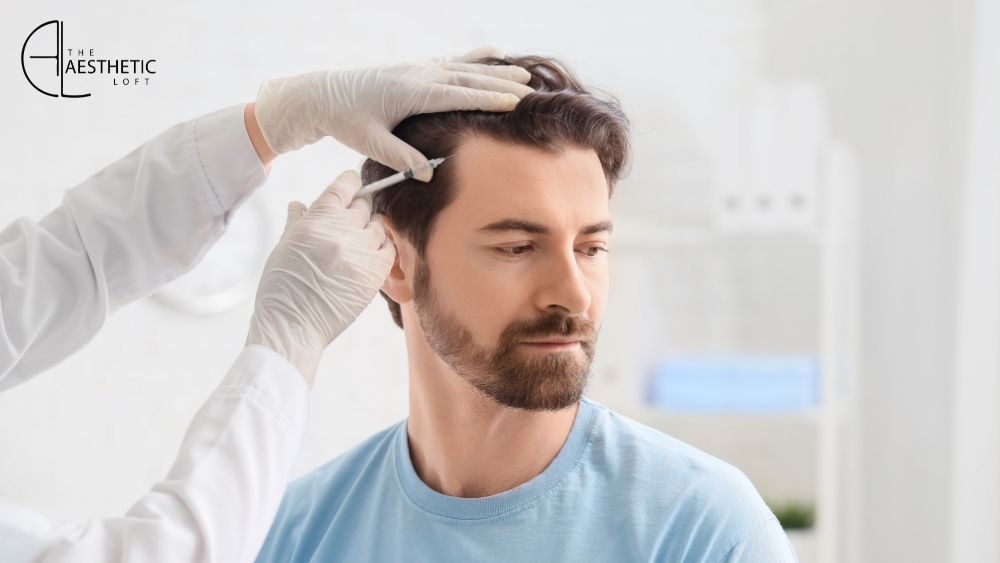
Hair exosome therapy has quickly become one of the most talked-about advancements in modern hair restoration. It is often promoted as a non-surgical regenerative solution for hair thinning, male pattern baldness, and post-transplant recovery.
However, with any new aesthetic treatment, one of the most important questions patients ask is: Are hair exosomes actually safe?
Understanding safety, side effects, risks, and recovery is essential before deciding whether this treatment is right for you. In this detailed guide, we will break down everything you need to know in a clear, evidence-based, and patient-focused way.
What Are Hair Exosomes?
Hair exosomes are microscopic extracellular vesicles that contain powerful biological signaling molecules. These include growth factors, proteins, peptides, and messenger RNA that help cells communicate and support tissue regeneration.
In hair restoration, exosomes are introduced into the scalp to support:
- Hair follicle activity
- Scalp health improvement
- Reduced inflammation
- Cellular repair processes
Unlike hair transplants, exosome therapy does not move or create new follicles. Instead, it works by improving the environment around existing hair follicles.
Are Hair Exosomes Safe?
In general, hair exosome therapy is considered minimally invasive and safe when performed by a qualified medical professional using high-quality, properly processed exosome products.
However, safety depends on several important factors such as:
- Source and quality of exosomes
- Clinic hygiene and protocols
- Practitioner experience
- Patient medical history
- Proper injection technique
When these conditions are met, most patients tolerate the procedure well with minimal complications.
That said, it is important to understand that exosome therapy is still a developing field in regenerative medicine, and long-term large-scale studies are still evolving.
Why Safety Depends on Product Quality
Not all exosome products available in the market are the same.
High-quality exosomes are typically:
- Laboratory processed
- Sterility tested
- Carefully purified
- Stored under controlled conditions
Lower-quality or unverified products may carry higher risks of contamination or inconsistent results.
This is why reputable clinics prioritize clinically tested and standardized exosome sources, especially in advanced treatments like hair restoration.
Common Side Effects of Hair Exosome Treatment
Most side effects associated with hair exosome therapy are mild and temporary. They usually resolve on their own within a few hours to a few days.
Mild Scalp Redness
One of the most common effects is temporary redness at the injection or application site.
This occurs due to minor skin irritation and increased blood flow in the treated area. It typically fades within 24 to 48 hours.
Slight Swelling
Some patients may experience mild swelling in the treated scalp area.
This is part of the natural healing response and usually subsides quickly without any intervention.
Tenderness or Sensitivity
The scalp may feel slightly sensitive or tender after treatment.
This is usually mild and temporary, especially when compared to surgical procedures like hair transplants.
Minor Itching or Tingling
As the scalp begins the healing and regeneration process, patients may notice slight itching or tingling sensations.
This is generally considered a normal sign of tissue activity and recovery.
Rare Risks and Complications
Although rare, certain risks can occur depending on the clinic, technique, or patient condition.
Infection (Rare)
Infection is extremely rare but possible if the procedure is not performed under sterile conditions.
Proper medical hygiene and professional administration significantly reduce this risk.
Allergic Reaction
Since exosomes are biologically derived, there is a very low risk of allergic reaction in sensitive individuals.
However, this is uncommon when using properly purified and tested medical-grade exosomes.
Uneven Response
Not all patients respond equally to exosome therapy.
Some individuals may experience:
- Strong hair regrowth response
- Moderate improvement
- Minimal visible change
This depends on factors like follicle health, genetics, and stage of hair loss.
Who Should Avoid Hair Exosome Therapy?
Although generally safe, hair exosomes may not be suitable for everyone.
You may not be an ideal candidate if you have:
- Active scalp infections
- Severe uncontrolled medical conditions
- Advanced scarring alopecia (permanent follicle loss)
- Known allergies to treatment components
- Certain autoimmune conditions (case-dependent)
A proper consultation is necessary before starting treatment.
Recovery After Hair Exosome Treatment
One of the major advantages of hair exosome therapy is the minimal downtime compared to surgical hair restoration.
Immediately After Treatment
Right after the procedure, you may notice:
- Mild redness
- Slight swelling
- Small injection marks
These effects are temporary and usually not painful.
Most patients can return to daily activities almost immediately.
First 24–48 Hours
During this time, it is important to:
- Avoid washing hair immediately (as advised by your doctor)
- Avoid heavy sweating or gym workouts
- Avoid direct sun exposure on the scalp
This helps the scalp recover properly and supports optimal absorption.
First Week of Recovery
The scalp gradually returns to normal.
Some patients may notice:
- Reduced sensitivity
- Decreased redness
- Early signs of scalp calming
There is usually no visible downtime that affects social or work life.
When Do Results Start Showing?
Hair exosome results are gradual because the treatment works at a cellular level.
2 to 4 Weeks
- Reduced hair shedding
- Improved scalp health
- Early follicle stimulation begins
2 to 3 Months
- Noticeable reduction in hair fall
- Improved hair texture
- Early regrowth in some areas
4 to 6 Months
- Improved hair density
- Stronger hair strands
- More visible coverage in thinning areas
6 to 12 Months
- Peak visible results
- Thicker and healthier-looking hair
- Stabilization of hair loss in many cases
Hair Exosomes vs Other Hair Loss Treatments (Safety Perspective)
Understanding how exosomes compare helps clarify safety expectations.
PRP (Platelet-Rich Plasma)
PRP is also considered safe but requires blood extraction and preparation. It depends heavily on platelet quality and patient health.
Hair Transplant
Hair transplant is surgical and carries higher risks such as:
- Infection
- Scarring
- Longer recovery time
Medications (Minoxidil/Finasteride)
These are non-invasive but may have systemic side effects in some patients.
Exosomes
Exosomes are minimally invasive and focus on regenerative signaling rather than surgical or chemical intervention, making them a well-tolerated option for many patients.
How to Maximize Safety and Results
To ensure the safest and most effective outcome, patients should follow key guidelines.
Choose an Experienced Clinic
The expertise of the practitioner plays a major role in safety and results.
Ensure Verified Exosome Products
Always confirm that the clinic uses medically approved, lab-tested exosome sources.
Follow Aftercare Instructions
Proper aftercare improves healing and supports better results.
Maintain a Healthy Lifestyle
Good nutrition, stress management, and scalp care enhance treatment response.
Final Thoughts
Hair exosome therapy is generally considered a safe, minimally invasive, and well-tolerated option for individuals experiencing hair thinning or early hair loss. Most side effects are mild and temporary, with a quick recovery period and minimal disruption to daily life.
However, safety is strongly influenced by the quality of the exosome product, the expertise of the practitioner, and proper patient selection.
When performed in a controlled medical environment, hair exosomes can offer a promising regenerative approach to hair restoration with a favorable safety profile.
As with any medical treatment, a personalized consultation is essential to determine whether it is suitable for your specific hair condition and goals.
FAQs
Is hair exosome treatment safe?
Yes, it is generally safe when performed by a qualified professional using high-quality exosome products.
Does hair exosome therapy have side effects?
Most side effects are mild, such as redness, swelling, or temporary scalp sensitivity.
How long is recovery after exosome treatment?
Recovery is quick, usually within 24 to 48 hours for most patients.
Can exosomes cause hair shedding?
Some patients may experience temporary shedding as part of the natural hair cycle reset.
Who should avoid exosome therapy?
Patients with active scalp infections or certain medical conditions should consult a specialist before treatment.