Best Anti-Aging Treatments for Women in Their 40s and 50s
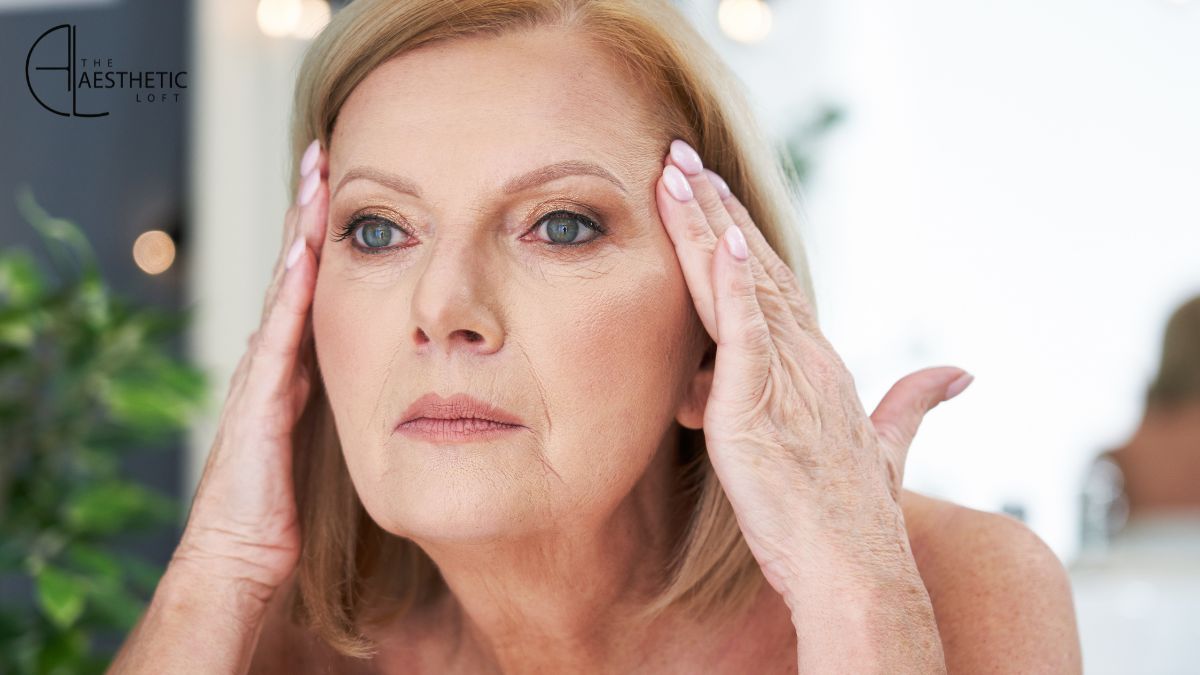
Aging is a natural process, but the way your skin and face age can vary significantly from one woman to another. During the 40s and 50s, changes in collagen production, facial volume, skin elasticity, pigmentation, and hormonal balance can become more noticeable. Fine lines may deepen, skin can become thinner or drier, and areas such as the cheeks, jawline, neck, and under-eyes may gradually change.
The good news is that modern aesthetic medicine offers more options than ever for addressing these changes without necessarily undergoing surgery. Treatments can target individual concerns such as wrinkles, volume loss, pigmentation, loose skin, dullness, and changes in facial contour.
The key is choosing treatments based on your specific signs of aging rather than your age alone. In this guide, we explore the best anti-aging treatments for women in their 40s and 50s, what each treatment does, who may benefit from it, how long results can last, and how to create a natural-looking treatment plan.
How the Face Changes During Your 40s and 50s
Facial aging is not caused by one single process. Changes occur in the skin, fat compartments, muscles, connective tissues, and underlying bone structure over time.
Collagen and elastin production gradually decline, while cumulative sun exposure can contribute to pigmentation, uneven texture, and loss of skin quality. At the same time, facial fat may shift or decrease in certain areas, contributing to hollowness and changes in facial proportions.
Common Concerns in Your 40s
Women in their 40s may begin noticing:
- Forehead and frown lines
- Crow’s feet
- Fine lines around the mouth
- Loss of skin firmness
- Early jawline changes
- Pigmentation and sun damage
- Dull or uneven skin texture
- Under-eye hollowness
- Reduced facial volume
The changes are often gradual, which means early intervention can sometimes provide subtle improvements without requiring aggressive treatment.
Common Concerns in Your 50s
During the 50s, some women experience more noticeable changes in skin laxity and facial volume. Hormonal changes around and after menopause can also affect skin hydration, thickness, elasticity, and overall appearance.
Concerns may include deeper wrinkles, significant cheek or temple volume loss, jowling, neck laxity, pigmentation, and more pronounced changes in skin texture.
This does not mean that women in their 50s necessarily need more aggressive treatments. Instead, treatment plans often need to address several contributing factors simultaneously.
Best Anti-Aging Treatments for Women in Their 40s and 50s
There is no single “best” anti-aging treatment. The ideal approach depends on whether your primary concern is wrinkles, volume loss, pigmentation, skin laxity, or overall skin quality.
Botox and Other Anti-Wrinkle Injections
Botulinum toxin is one of the most established non-surgical treatments for dynamic facial wrinkles. It temporarily reduces the activity of targeted muscles, which can soften lines created by repeated facial expressions.
Common treatment areas include the forehead, frown lines between the eyebrows, and crow’s feet. When appropriately administered, the goal is not to eliminate all facial movement but to create a smoother, more refreshed appearance.
Who May Benefit From Botox?
Women in their 40s and 50s who have noticeable expression lines may benefit from conservative botulinum toxin treatment. It can be particularly useful when wrinkles are primarily caused by repeated muscle movement rather than significant loss of skin volume.
The amount and placement of treatment should be individualized because facial anatomy and muscle strength vary considerably between patients.
How Long Do Botox Results Last?
Results are temporary, and muscle activity gradually returns over time. The duration varies between individuals depending on factors such as the treated muscles, dose, metabolism, and treatment history.
Regular treatment should be planned according to when movement and wrinkles begin returning rather than following an unnecessarily frequent schedule.
Dermal Fillers for Age-Related Volume Loss
As the face ages, changes in facial volume can contribute significantly to an older or more tired appearance. Dermal fillers can be used to restore or enhance volume in carefully selected areas.
Depending on the product and treatment plan, fillers may be considered for the cheeks, lips, chin, jawline, or certain facial hollows.
Why Fillers Can Be Useful in Your 40s and 50s
The goal of filler treatment in mature skin is often restoration rather than simply adding volume. Replacing carefully selected areas of lost volume can improve facial balance and support a more youthful-looking contour.
Overfilling, however, can produce an unnatural appearance. A conservative, anatomy-based approach is especially important when treating mature faces.
Common Areas for Facial Fillers
Potential treatment areas include:
- Cheeks
- Chin
- Lips
- Nasolabial folds
- Marionette lines
- Temples
- Certain under-eye hollows
Not every patient needs filler in every area. The practitioner should first identify the underlying cause of the concern.
HIFU for Skin Tightening
High-Intensity Focused Ultrasound, commonly known as HIFU, is a non-surgical treatment designed to deliver focused ultrasound energy to deeper tissue layers.
It is commonly marketed for facial and neck tightening and may be considered by patients with mild to moderate skin laxity who want a non-surgical approach.
HIFU for Women in Their 40s
HIFU may be suitable for women experiencing early jawline changes or mild skin laxity. Results generally develop gradually as the body’s remodeling response occurs.
It is not equivalent to a surgical facelift, and expectations should be realistic.
HIFU for Women in Their 50s
Women in their 50s with more noticeable laxity may still benefit from energy-based skin tightening, but the degree of improvement depends on the amount of loose skin and overall facial anatomy.
More advanced laxity may require a surgical consultation if the patient wants a dramatic change.
Radiofrequency Skin Tightening
Radiofrequency treatments use controlled heat to target deeper skin tissues and stimulate collagen remodeling.
Different radiofrequency technologies work at different depths and intensities, so “RF treatment” is a broad category rather than one single procedure.
RF Microneedling
RF microneedling combines microneedling with radiofrequency energy. Tiny needles deliver energy into the skin at controlled depths, making it possible to target texture and selected concerns related to laxity.
It may be considered for:
- Fine lines
- Skin texture
- Enlarged pores
- Mild to moderate laxity
- Acne scars
The appropriate settings and treatment intervals should be customized to the patient’s skin and treatment goals.
Laser Skin Resurfacing
Laser resurfacing can address several visible signs of aging, including fine lines, uneven texture, pigmentation, and sun damage.
Different laser technologies have different levels of intensity and downtime. Some provide gentle rejuvenation, while ablative resurfacing can produce more significant skin remodeling with greater recovery requirements.
CO2 Laser
CO2 laser resurfacing is a more intensive option that can improve certain wrinkles, scars, and texture concerns.
Because it can produce significant skin injury and requires careful recovery, it should only be considered following an appropriate medical assessment.
Erbium Laser
Erbium laser resurfacing can provide controlled skin resurfacing with potentially less thermal damage than some CO2 approaches.
The appropriate laser depends on the specific concern, skin type, desired results, and acceptable downtime.
Chemical Peels for Skin Rejuvenation
Chemical peels use controlled chemical exfoliation to improve the appearance of the skin.
Depending on the formulation and depth, peels may help address:
- Fine lines
- Uneven pigmentation
- Dullness
- Sun damage
- Rough texture
A professional assessment is particularly important for women with pigmentation-prone or darker skin because inappropriate treatment can sometimes trigger post-inflammatory hyperpigmentation.
Skin Boosters for Hydration and Skin Quality
Skin boosters are designed primarily to improve skin quality rather than dramatically change facial structure.
Depending on the product, they may improve hydration, texture, and overall radiance. They can be considered when mature skin looks dry, dull, or less supple despite a good skincare routine.
Skin Boosters vs Dermal Fillers
Although both may involve injectable products, their goals are different. Traditional dermal fillers are primarily used to restore or add volume and contour, while skin boosters generally focus more on hydration and skin quality.
Choosing between them depends on whether the main concern is volume loss or overall skin condition.
PRP for Skin Rejuvenation
Platelet-rich plasma, or PRP, uses components derived from the patient’s own blood and is used in regenerative aesthetic treatments.
PRP may be considered for selected skin rejuvenation goals and is sometimes combined with procedures such as microneedling.
What Can PRP Do for Aging Skin?
PRP is intended to support the body’s natural healing and regenerative processes. Patients may seek it to improve overall skin quality, texture, and appearance.
Results vary, and PRP should not be presented as a replacement for established treatments when a specific condition requires another approach.
Exosome Treatments for Skin Rejuvenation
Exosome-based treatments have attracted significant interest in regenerative aesthetics because of their potential role in cell-to-cell signaling.
They are increasingly used in some clinics alongside skin rejuvenation procedures, including microneedling and laser treatments.
However, patients should understand that the evidence and regulatory status of exosome products vary, and not all products marketed as exosomes are equivalent. The exact product, source, manufacturing standards, and intended use should be discussed with a qualified medical professional.
Treating Pigmentation and Sun Damage
Pigmentation often becomes more visible with age because cumulative UV exposure can produce uneven skin tone and sun spots.
Treating pigmentation may involve a combination of:
- Daily sunscreen
- Topical skincare
- Chemical peels
- Laser or light-based treatments
- Medical management when appropriate
The underlying cause should be identified before treatment because melasma, post-inflammatory pigmentation, and sun spots require different approaches.
Treating Under-Eye Aging
The under-eye area is particularly complex because several different issues can create a tired appearance.
Dark circles may be caused by pigmentation, vascular visibility, thin skin, shadowing, or tear-trough hollowing.
Tear Trough Fillers
For carefully selected patients with genuine volume loss beneath the eyes, hyaluronic acid filler may be considered.
However, the under-eye area is technically demanding and has important anatomical risks. Treatment should be performed only by an appropriately trained and experienced medical professional.
Under-Eye PRP
PRP may be considered for selected patients seeking improvement in skin quality around the eyes. It does not work in exactly the same way as a filler and is not primarily intended to replace lost volume.
The best option depends on whether the dominant concern is hollowing, pigmentation, thin skin, or another factor.
Treating Jowls and Marionette Lines
Jowling and marionette lines can become more noticeable as facial tissues change and skin elasticity decreases.
Treatment may involve combinations of:
- Dermal fillers
- Skin-tightening procedures
- RF-based treatments
- Ultrasound-based treatments
- Laser treatments
- Surgical procedures for advanced laxity
The right approach depends on whether the problem is primarily volume loss, skin laxity, tissue descent, or a combination of factors.
Neck Rejuvenation
The neck often receives less attention than the face despite being exposed to the same environmental aging factors.
Depending on the concern, treatment options may include skin-tightening technologies, injectables for selected concerns, laser treatments, or surgical approaches.
Women in their 40s and 50s should consider the face and neck together when planning significant rejuvenation because treating only one area can sometimes create an imbalance.
Which Anti-Aging Treatment Is Best for Women in Their 40s?
Women in their 40s often benefit from a preventative and restorative approach rather than aggressive correction.
If dynamic wrinkles are the primary concern, Botox may be appropriate. If early volume loss is more noticeable, carefully placed filler may be considered. If skin texture, pigmentation, or mild laxity is the main issue, laser, RF, HIFU, or other skin-focused treatments may be more appropriate.
A combination approach can sometimes produce better overall results, but every treatment should have a specific purpose.
Which Anti-Aging Treatment Is Best for Women in Their 50s?
Women in their 50s may have multiple overlapping signs of aging, particularly after menopause.
A treatment plan may need to address:
- Volume loss
- Skin laxity
- Wrinkles
- Pigmentation
- Skin dryness
- Texture changes
- Neck aging
Depending on the severity, non-surgical treatments can provide meaningful improvement, while women with significant laxity may benefit from discussing surgical options with a qualified specialist.
Non-Surgical vs Surgical Anti-Aging Treatments
Non-surgical procedures can provide meaningful improvement with less downtime than surgery, but their results are generally more subtle.
Non-Surgical Options
These include:
- Botox
- Dermal fillers
- HIFU
- RF treatments
- Laser resurfacing
- Chemical peels
- Microneedling
- PRP
- Selected skin boosters
These treatments can be useful for patients who want gradual improvements without surgery.
Surgical Options
A facelift, neck lift, or other surgical procedure may be more appropriate when there is significant skin laxity or tissue descent.
Surgery involves greater recovery and risk but can produce a more substantial correction when non-surgical treatments are unlikely to achieve the desired result.
How to Create a Natural Anti-Aging Treatment Plan
The best anti-aging treatment plan is rarely based on one procedure.
Step 1: Identify Your Main Concern
Start by determining what bothers you most. Is it wrinkles, pigmentation, sagging, volume loss, or overall skin quality?
Step 2: Identify the Underlying Cause
The visible problem may not be the actual cause. For example, a deep nasolabial fold may be influenced by cheek volume changes rather than simply needing filler directly in the fold.
Step 3: Choose the Least Invasive Effective Option
If a less invasive treatment can reasonably address the concern, it may be worth considering before more aggressive procedures.
Step 4: Reassess Before Adding More Treatment
Allow sufficient time for results to develop. Adding multiple treatments too quickly can make it difficult to determine what worked and may lead to unnecessary procedures.
How to Maintain Anti-Aging Treatment Results
Professional treatments work best when supported by good daily habits.
Use Sunscreen Every Day
UV exposure is one of the most important external contributors to premature skin aging. Consistent broad-spectrum sun protection helps protect collagen and reduce cumulative pigmentation and sun damage.
Maintain a Consistent Skincare Routine
Depending on your skin, a routine may include a gentle cleanser, moisturizer, sunscreen, and evidence-based active ingredients such as retinoids or antioxidants.
A dermatologist or qualified skincare professional can help determine which ingredients are appropriate for your skin.
Avoid Smoking
Smoking accelerates visible skin aging and negatively affects overall health. Avoiding tobacco is one of the most effective lifestyle choices for maintaining healthy-looking skin.
Maintain Healthy Lifestyle Habits
Adequate sleep, balanced nutrition, regular physical activity, and appropriate hydration support overall health and can complement an aesthetic treatment plan.
How Much Do Anti-Aging Treatments Cost?
The cost of anti-aging treatments varies widely depending on the procedure, clinic, practitioner, product, treatment area, and number of sessions.
Injectables are often priced according to the amount and type of product used, while laser and energy-based treatments may vary according to technology and treatment area.
Rather than choosing purely on price, consider practitioner qualifications, product quality, treatment planning, safety standards, and aftercare.
How to Choose an Anti-Aging Clinic
Choosing the right practitioner is just as important as choosing the treatment.
Look for a qualified medical professional with specific experience in the procedure you are considering. Ask about the product or device being used, expected results, potential complications, recovery time, and alternatives.
Be cautious of clinics that guarantee perfect results, pressure you into purchasing multiple treatments, or recommend the same procedure to every patient regardless of their anatomy and concerns.
Final Thoughts
The best anti-aging treatments for women in their 40s and 50s are not necessarily the most expensive or aggressive procedures. The right treatment is the one that addresses your specific signs of aging while maintaining your natural facial structure and appearance.
Botox can help with dynamic wrinkles, fillers can restore carefully selected areas of volume, laser and RF treatments can improve skin quality and texture, and HIFU can provide non-surgical tightening for appropriately selected patients. PRP, skin boosters, and other regenerative treatments may also have a role depending on individual goals.
For women in their 40s and 50s, the most effective strategy is usually a personalized combination of skin health, prevention, targeted treatments, and appropriate maintenance. A consultation with a qualified aesthetic medical professional can help determine which options make sense for your skin, anatomy, and long-term goals.
Frequently Asked Questions
What is the best anti-aging treatment for women in their 40s?
There is no single best treatment. Botox, fillers, laser treatments, RF, HIFU, and skin-focused procedures may all be appropriate depending on whether your primary concern is wrinkles, volume loss, pigmentation, or laxity.
What is the best anti-aging treatment for women in their 50s?
Treatment depends on the degree and type of aging. Non-surgical options can address wrinkles, pigmentation, volume loss, and mild laxity, while significant skin laxity may require a surgical consultation.
Is Botox good for women over 40?
Yes. Botox can effectively soften dynamic wrinkles in appropriately selected patients. Treatment should be conservative and customized to preserve natural facial movement.
Are fillers suitable for women in their 50s?
Fillers can be appropriate for restoring carefully selected areas of age-related volume loss. However, excessive filler can produce an unnatural appearance, so experienced assessment and conservative treatment are important.
Can HIFU replace a facelift?
No. HIFU is a non-surgical skin-tightening treatment and cannot reproduce the degree of tissue repositioning achieved with a surgical facelift. It may be suitable for patients with mild to moderate laxity who prefer a non-surgical option.
Is laser resurfacing safe for mature skin?
Laser resurfacing can be appropriate for mature skin, but the correct technology and settings depend on skin type, pigmentation risk, treatment goals, and desired downtime. A professional assessment should be performed before treatment.
How can women maintain anti-aging treatment results?
Daily sunscreen, consistent skincare, healthy lifestyle habits, avoiding smoking, and appropriately timed maintenance treatments can help support long-term skin health and preserve aesthetic results.