Before & After Care: Complete Guide to Maintaining Your Treatment Results
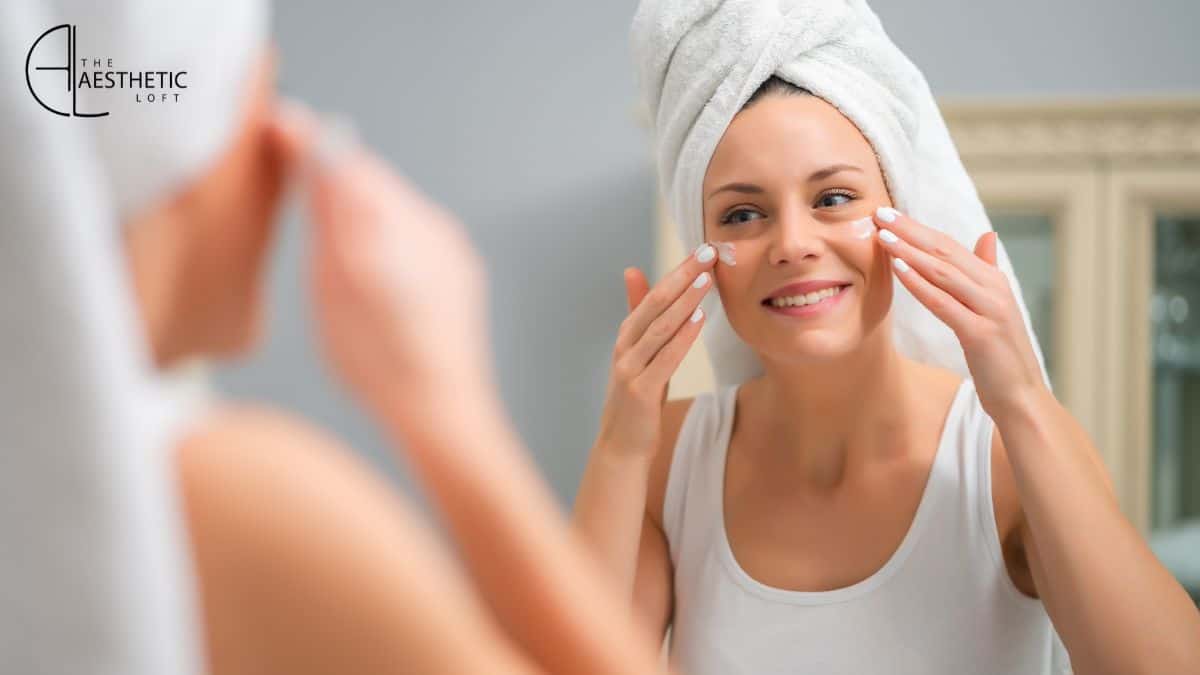
A successful aesthetic treatment does not begin when the procedure starts, and it does not end when you leave the clinic. Before and after care can play an important role in how comfortably you recover and how well you maintain your results. Whether you have had Botox, dermal fillers, laser treatment, microneedling, PRP, exosomes, chemical peels, or another aesthetic procedure, following appropriate aftercare instructions is an important part of the overall treatment process.
Many patients focus heavily on choosing the right treatment but overlook what happens before and after the appointment. Factors such as sun exposure, skincare products, exercise, alcohol, makeup, medications, and even picking or touching the treated area can affect recovery.
This complete guide explains how to prepare for aesthetic treatments, what to do immediately afterward, how aftercare differs between procedures, which mistakes to avoid, and how to maintain your results for as long as possible.
Why Before and After Care Matters
Aesthetic treatments intentionally create controlled changes in the skin, muscles, fat tissue, or other structures. Your body then needs time to respond to the treatment and begin its natural healing or remodeling process.
Following professional aftercare instructions can help minimize unnecessary irritation, swelling, bruising, and other temporary reactions. It can also help protect the treated area while it recovers.
However, aftercare is not a substitute for choosing an appropriate treatment or qualified practitioner. Your individual instructions should always take priority because recovery requirements can vary significantly between procedures and patients.
Before Treatment: How to Prepare for Your Appointment
Preparation should begin before you arrive at the clinic. The exact instructions depend on the procedure, but there are several general principles that apply to many aesthetic treatments.
Tell Your Practitioner About Your Medical History
Always provide accurate information about your health, allergies, medications, supplements, previous aesthetic procedures, and any history of unusual reactions.
This information can influence whether you are suitable for a particular procedure and may affect preparation or aftercare. Never stop a prescribed medication simply because you are having an aesthetic treatment unless the clinician who prescribed it advises you to do so.
Avoid Unnecessary Skin Irritation
Before treatments involving the skin, avoid introducing unnecessary irritation. Depending on the procedure, your practitioner may recommend temporarily stopping certain active skincare ingredients or treatments.
Products containing retinoids, exfoliating acids, or other potent active ingredients may need to be adjusted around some procedures. The correct timing depends on the treatment, so ask your practitioner rather than following a generic online schedule.
Protect Your Skin From the Sun
Excessive sun exposure before certain laser, peel, and pigmentation treatments can increase the risk of irritation or unwanted pigment changes.
Use appropriate broad-spectrum sun protection and follow the specific preparation instructions provided by your clinic. If your skin is sunburned or significantly irritated, tell your practitioner before proceeding.
Arrive With Clean Skin When Appropriate
For procedures involving injections, microneedling, laser treatments, or other skin procedures, your clinic may ask you to arrive with clean skin and without makeup.
This makes it easier for the practitioner to assess the treatment area and maintain appropriate hygiene during the procedure.
What to Do Immediately After Your Treatment
The first several hours after an aesthetic procedure can be particularly important because the treated area may be temporarily sensitive.
Your practitioner should provide specific instructions based on the procedure you received. In general, avoid unnecessarily touching, rubbing, scratching, or manipulating the treated area unless you have been specifically instructed to do so.
If you experience expected swelling or redness, allow the area time to settle rather than repeatedly checking or massaging it.
Follow the Clinic’s Written Instructions
Every treatment has different aftercare requirements. A Botox appointment, for example, does not have the same aftercare protocol as laser resurfacing or a chemical peel.
Ask your provider for written instructions if possible. This gives you something to refer back to once you are home and reduces the chance of forgetting important details.
Aftercare for Botox and Anti-Wrinkle Treatments
Botulinum toxin treatments work by temporarily reducing specific muscle activity. Results develop gradually rather than appearing immediately.
After treatment, follow your practitioner’s instructions regarding exercise, pressure on treated areas, skincare, and other activities. Avoid unnecessarily rubbing or manipulating injection sites.
When Will Botox Results Appear?
Early changes may become noticeable within several days, while the final effect can take longer. The exact timeline varies according to the treated muscles, dosage, individual response, and treatment area.
Do not assume that the treatment has failed simply because you do not see an immediate change.
Aftercare for Dermal Fillers
Dermal fillers require particularly careful aftercare because the injected material interacts with facial tissues and swelling can temporarily affect the appearance.
Some swelling, tenderness, bruising, or firmness may occur after treatment. These effects can make the treated area look uneven during the early recovery period, so avoid judging the final result immediately.
Avoid Excessive Pressure on the Treated Area
Unless your practitioner specifically instructs you to massage an area, avoid repeatedly pressing, squeezing, or manipulating newly treated areas.
Your provider should tell you whether massage is appropriate for your particular filler and treatment area.
Allow Swelling to Settle
Swelling can temporarily make lips, cheeks, or other areas appear larger than expected. This is why follow-up assessment is often more useful after the initial swelling has subsided.
If you develop severe or unusual pain, significant skin color changes, or other concerning symptoms after filler treatment, contact your treating medical professional promptly.
Aftercare for Laser Treatments
Laser treatments vary enormously. Some are gentle and have minimal downtime, while resurfacing lasers can cause significant redness, peeling, and sensitivity.
After laser treatment, protecting the skin from the sun is particularly important. Your practitioner may also recommend a gentle cleanser, moisturizer, and specific sunscreen while the skin barrier recovers.
Avoid Picking or Peeling the Skin
If your skin begins to peel or flake after a resurfacing treatment, do not pull or pick at it unless specifically instructed by your provider.
Allow the skin to shed naturally. Picking can increase irritation and potentially interfere with healing.
Aftercare for Microneedling
Microneedling creates controlled micro-injuries in the skin to stimulate a healing response. Temporary redness, sensitivity, and mild swelling are common.
For the first period after treatment, your practitioner may recommend using only gentle, approved skincare products and avoiding potentially irritating active ingredients.
Protect the Skin While It Heals
Sun protection is essential after microneedling. Your skin may be more sensitive during recovery, and excessive UV exposure can contribute to irritation and pigmentation changes.
Follow your provider’s instructions about when to restart retinoids, exfoliating acids, makeup, and other active products.
Aftercare for PRP and Exosome Treatments
PRP and exosome-based treatments are often used for hair restoration and skin rejuvenation. Their aftercare depends on how they are administered and whether they are combined with microneedling, injections, laser, or another procedure.
Your practitioner may recommend avoiding strenuous exercise, excessive heat, harsh skincare, or washing the treated area for a specific period.
Because protocols differ between products and procedures, do not assume that aftercare instructions from another clinic apply to your treatment.
Aftercare for Chemical Peels
Chemical peels intentionally exfoliate the outer layers of the skin to encourage regeneration. Depending on the strength and type of peel, patients may experience redness, dryness, tightness, or peeling.
Use only the skincare products recommended by your practitioner during the recovery period. Avoid picking peeling skin because mechanical removal can increase irritation.
Moisturize as Directed
Keeping the skin appropriately moisturized can help support barrier recovery. Your practitioner may recommend a specific moisturizer or recovery product based on the type of peel performed.
Do not introduce new active skincare products simply because the skin feels dry or tight.
Aftercare for Hair Restoration Treatments
Hair restoration procedures require their own recovery protocols.
For treatments such as PRP, exosomes, microneedling, or hair transplantation, the clinic should provide specific instructions covering washing, exercise, hair products, sun exposure, and scalp care.
Hair transplant recovery is particularly different from non-surgical treatments because newly transplanted grafts require careful handling during the early healing period.
What to Avoid After Aesthetic Treatments
Although instructions vary, several habits commonly interfere with comfortable recovery.
Excessive Sun Exposure
UV radiation can worsen inflammation and increase the risk of pigmentation problems after certain procedures.
Use appropriate sun protection and follow your provider’s advice about when it is safe to resume prolonged outdoor activities.
Intense Exercise
Strenuous exercise can increase sweating, heat, and blood flow. Depending on the procedure, your practitioner may recommend avoiding intense workouts temporarily.
Follow the specific recovery timeline given by your provider rather than assuming that every treatment requires the same restriction.
Saunas and Excessive Heat
Heat exposure may increase redness and swelling after some treatments. Your provider may advise avoiding saunas, steam rooms, hot baths, or similar environments during the early recovery period.
Alcohol
Alcohol can contribute to dehydration and may worsen bruising or swelling for some patients. Your practitioner may recommend avoiding alcohol around certain injectable procedures.
Picking, Scratching, or Rubbing
Touching treated areas unnecessarily can increase irritation and may interfere with healing. This is particularly important after procedures that temporarily compromise the skin barrier.
How to Maintain Aesthetic Treatment Results
Getting good results is only part of the process. Maintaining those results often requires consistent skincare, sun protection, healthy habits, and appropriate maintenance appointments.
Use Daily Sun Protection
Sun protection is one of the most important long-term habits for maintaining healthy-looking skin.
Regular use of broad-spectrum sunscreen can help reduce cumulative UV damage, which contributes to pigmentation, premature aging, and collagen breakdown.
Follow a Consistent Skincare Routine
A complicated routine is not necessarily better. A consistent routine containing appropriate cleansing, moisturizing, sun protection, and professionally recommended active ingredients can support long-term skin health.
Your skincare routine should be adapted to your skin type and any treatments you receive.
Stay Hydrated and Maintain a Balanced Diet
Adequate hydration and a balanced diet support overall health and normal skin function. Nutritional deficiencies can also affect hair and skin, so persistent concerns should be discussed with a qualified healthcare professional rather than treated solely with cosmetic products.
Maintain a Stable Weight
For treatments involving body contouring or facial fat reduction, significant weight fluctuations can change the appearance of the treated area.
Maintaining a stable, healthy weight can help preserve your overall contour after appropriate treatment.
When Should You Schedule a Follow-Up?
Follow-up appointments are an important part of many aesthetic treatment plans. Your practitioner may want to evaluate healing, assess the response, or determine whether additional treatment is appropriate.
Do not automatically schedule another procedure simply because you think more treatment will produce better results. Some treatments require time before their full effect becomes visible.
Why Follow-Up Matters
A follow-up allows the practitioner to distinguish between normal recovery and a potential complication. It also provides an opportunity to adjust future treatment based on your actual response.
For injectable treatments, follow-up can be particularly useful for evaluating symmetry and deciding whether any further treatment is genuinely necessary.
How Long Do Aesthetic Treatment Results Last?
There is no universal duration for aesthetic treatment results. Longevity depends on the procedure, product, treatment area, dosage, individual metabolism, lifestyle, and natural aging process.
For example, Botox results are temporary because muscle activity gradually returns. Dermal fillers can last different lengths of time depending on the type of filler and location. Laser treatments may improve skin quality for an extended period, but they cannot stop the natural aging process.
Understanding the expected duration helps you plan maintenance rather than waiting until results have completely disappeared.
When Should You Contact Your Practitioner?
Some redness, swelling, tenderness, bruising, dryness, or peeling can be normal depending on the procedure. However, symptoms that are severe, rapidly worsening, or unusual should not simply be ignored.
Contact your treating clinic or medical professional if you are concerned about your recovery. For certain injectable treatments, symptoms such as severe or increasing pain, significant skin discoloration, unusual swelling, vision changes, or neurological symptoms require urgent medical assessment.
Do not rely on online advice when you suspect a complication. The professional who performed your treatment is best placed to assess what is happening and advise you on the appropriate next step.
Before and After Care Checklist
Before Treatment
- Discuss your medical history with your practitioner
- Provide a complete list of medications and supplements
- Follow any prescribed skin preparation
- Avoid unnecessary sun exposure
- Arrive with clean skin if instructed
- Ask about expected downtime
- Understand potential side effects
- Confirm your follow-up plan
Immediately After Treatment
- Follow your provider’s instructions
- Avoid unnecessary touching or rubbing
- Use only recommended skincare products
- Protect treated skin from excessive sun
- Avoid activities restricted by your practitioner
- Monitor the treated area during recovery
During Recovery
- Keep your skincare routine gentle when advised
- Avoid picking or scratching
- Follow sun-protection recommendations
- Stay hydrated
- Attend scheduled follow-up appointments
- Contact the clinic if concerning symptoms develop
Common Aftercare Mistakes to Avoid
Assuming Every Treatment Has the Same Aftercare
A common mistake is applying advice from one procedure to another. Filler, Botox, laser, microneedling, and chemical peels have different mechanisms and recovery requirements.
Always follow the instructions provided for your specific treatment.
Judging Results Too Early
Swelling, redness, and temporary changes can make a treatment look very different during the first few days.
Give the treatment enough time to settle before deciding whether it has worked.
Using Too Many Skincare Products
After treatment, patients sometimes try to accelerate recovery by applying multiple serums, acids, scrubs, or home remedies.
This can irritate the skin further. Simpler is often better during the early recovery period.
Skipping Sunscreen
Even an excellent aesthetic treatment cannot completely counteract ongoing UV damage. Consistent sun protection is one of the most effective ways to protect your investment in professional skin treatments.
Final Thoughts
Before and after care is an essential part of any aesthetic treatment plan. Preparing your skin properly, understanding recovery, following professional instructions, and protecting your results can make the overall treatment experience safer and more predictable.
The exact instructions will always depend on the procedure you receive. Botox, fillers, laser treatments, microneedling, PRP, exosomes, chemical peels, and hair restoration procedures all have different requirements.
Most importantly, follow the personalized instructions provided by your qualified practitioner rather than relying on generic online advice. If something about your recovery seems unusual or concerning, contact your clinic instead of attempting to diagnose or treat the problem yourself.
With the right treatment, realistic expectations, professional care, and consistent maintenance, you can help preserve your aesthetic results while supporting the long-term health of your skin and hair.
Frequently Asked Questions
How important is aftercare after an aesthetic treatment?
Aftercare is an important part of recovery. Following your practitioner’s instructions can help reduce unnecessary irritation and protect the treated area while it heals.
How long should I avoid exercise after an aesthetic treatment?
There is no single timeline for every procedure. Some treatments require little activity restriction, while others may require avoiding strenuous exercise temporarily. Follow the specific instructions provided by your practitioner.
Can I use my normal skincare products after treatment?
Not always. Certain active ingredients, exfoliants, retinoids, and other products may need to be paused temporarily after some procedures. Ask your practitioner when it is appropriate to restart them.
How can I make aesthetic treatment results last longer?
Consistent sun protection, appropriate skincare, healthy lifestyle habits, stable weight where relevant, and professionally recommended maintenance treatments can help support long-term results.
Is swelling normal after aesthetic treatment?
Swelling can be a normal part of recovery after many injectable and skin treatments. However, severe, rapidly worsening, or unusual swelling should be assessed by your treating medical professional.
Should I massage the treated area after a procedure?
Do not massage or manipulate a treated area unless your practitioner specifically recommends it. Some procedures may require massage, while others should not be disturbed during recovery.
When should I contact my aesthetic clinic after treatment?
Contact your clinic if you experience symptoms that concern you, especially severe or worsening pain, significant skin color changes, unusual swelling, vision changes, or other unexpected symptoms. Prompt assessment is important when a complication is suspected.