Comprehensive Guide to Hair Transplant
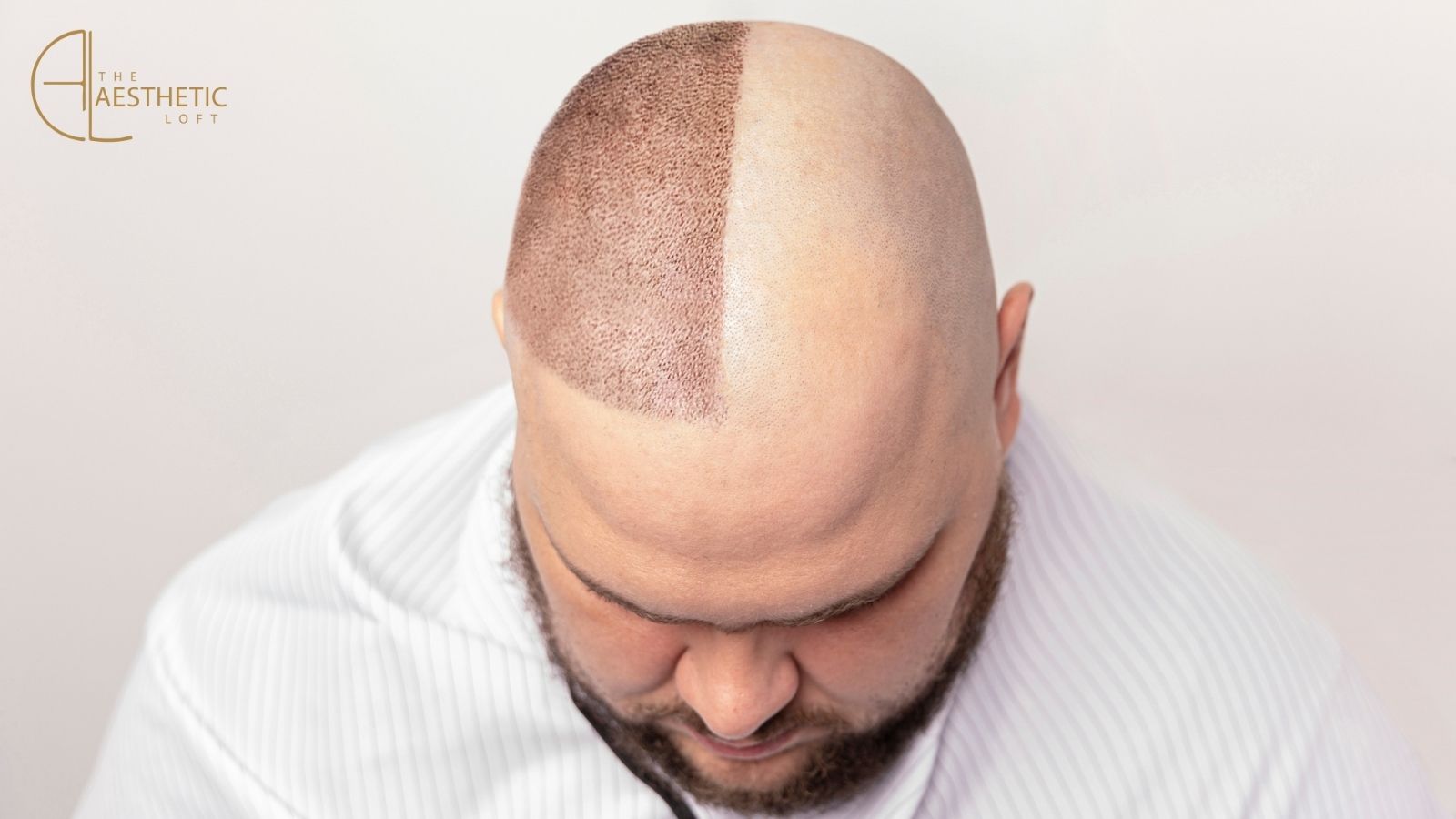
Hair transplant procedures are an increasingly popular solution for individuals experiencing hair loss. Here’s an in-depth guide covering everything you need to know about the process, benefits, and post-procedure care.
What is a Hair Transplant?
A hair transplant is a surgical procedure that involves moving hair follicles from one part of the body, typically the back or sides of the scalp (donor site), to areas experiencing hair thinning or baldness (recipient site). This technique is widely used to restore natural hair growth in men and women.
Types of Hair Transplants
- Follicular Unit Transplantation (FUT)
- A strip of skin is removed from the donor site.
- Hair follicles are extracted and implanted into the recipient area.
- Suitable for those requiring a larger number of grafts.
- Follicular Unit Extraction (FUE)
- Individual follicles are harvested directly from the donor area.
- Leaves minimal scarring and requires shorter recovery time.
- Ideal for patients looking for less invasive options.
- Direct Hair Implantation (DHI)
- A more advanced version of FUE.
- Follicles are implanted directly without prior hole creation in the recipient site.
- Offers precision and natural-looking results.
Who is a Good Candidate?
- Individuals with pattern baldness or localized hair loss.
- Those with sufficient donor hair availability.
- People in good general health without medical conditions that may affect healing.
Procedure Overview
- Consultation
A consultation with a certified surgeon is the first step. The surgeon assesses hair loss patterns, discusses expectations, and plans the procedure. - Preparation
- Hair in the donor area is trimmed.
- The scalp is cleaned and numbed with local anesthesia.
- Extraction
- Hair follicles are harvested using the FUT or FUE method.
- Implantation
- The follicles are implanted into the recipient area.
- The process ensures the direction, angle, and density of the hair match the natural pattern.
- Post-Procedure Care
- Antibiotics and pain relievers are prescribed to prevent infection and reduce discomfort.
- Patients are advised to avoid strenuous activities and direct sunlight.
Recovery and Results
- Initial Recovery: Redness and minor swelling in the recipient area subside within a week.
- Hair Growth Timeline:
- 1-3 Months: Transplanted hair sheds, and new growth begins.
- 6-12 Months: Visible improvements; full results achieved.
Benefits of Hair Transplant
- Permanent hair restoration solution.
- Improved self-esteem and confidence.
- Natural-looking results tailored to individual needs.
- Minimal downtime compared to other surgical procedures.
Cost Factors
Hair transplant costs vary depending on:
- The extent of hair loss.
- Number of grafts needed.
- Expertise of the surgeon.
- Location of the clinic.
Risks and Complications
While generally safe, potential risks include:
- Infection or scarring.
- Temporary numbness in the treated area.
- Unnatural hair growth patterns if performed by inexperienced professionals.
Why Choose Aesthetic Loft for Your Hair Transplant Needs?
Aesthetic Loft is a leader in providing cutting-edge hair transplant solutions tailored to each client’s unique needs. With state-of-the-art technology and a team of skilled professionals, Aesthetic Loft ensures a seamless experience from consultation to post-procedure care.
Contact Aesthetic Loft Today!
Take the first step toward restoring your confidence and natural hairline. Call now or visit our website to book your personalized consultation with our experts.