Hydrafacial vs Chemical Peels – Which Is Better for Pakistani Skin?
For most Pakistani skin types, Hydrafacial is safer and more versatile for regular skin maintenance, while chemical peels are better for targeted concerns like pigmentation and acne scars when done carefully.
Now, let’s explain this properly, because skin in Pakistan has its own challenges.
Why Pakistani Skin Needs Special Consideration
Pakistani skin is often classified as medium to deep skin tone, which reacts differently to treatments than lighter skin.
Common challenges include:
- Hyperpigmentation
- Melasma
- Acne marks
- Sun damage
- Sensitivity after treatments
Because of strong sun exposure, pollution, and humidity, choosing the wrong treatment can sometimes worsen pigmentation instead of improving it.
That’s why understanding the difference between Hydrafacial and chemical peels matters.
What Is a Hydrafacial?
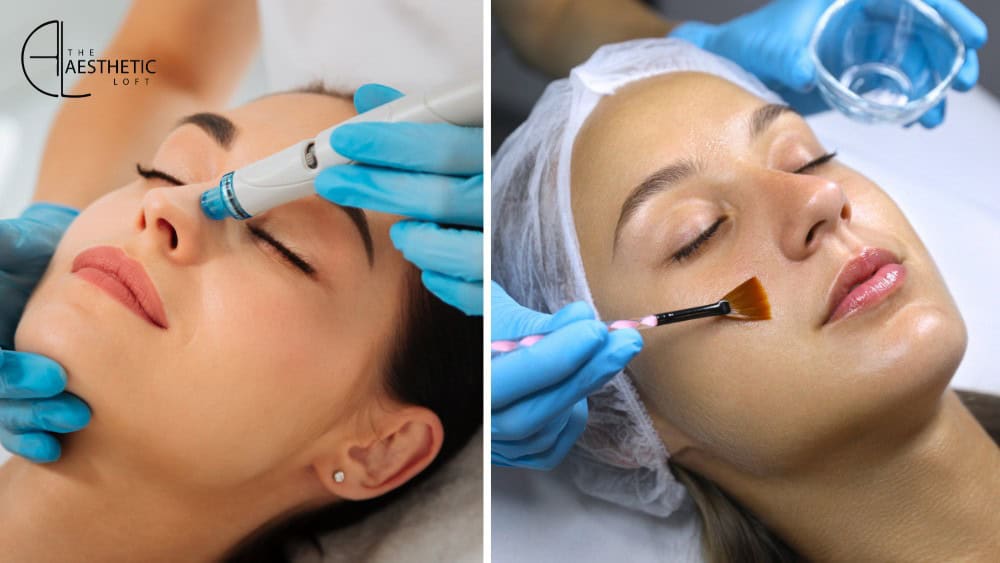
Hydrafacial is a non-invasive, multi-step facial treatment that cleanses, exfoliates, extracts impurities, and deeply hydrates the skin using a controlled device.
Key features:
- No harsh chemicals
- Controlled exfoliation
- Deep hydration
- Minimal irritation
- No downtime
Hydrafacial is designed to be gentle and customizable, which makes it popular for a wide range of skin types.
You can explore the full treatment details on our
👉 Hydrafacial service page
What Are Chemical Peels?
Chemical peels use acids to exfoliate the top layers of the skin, encouraging new skin cell turnover.
Types of peels include:
- Superficial peels
- Medium-depth peels
- Deep peels
Chemical peels are effective but require careful selection, especially for darker skin tones, to avoid post-inflammatory hyperpigmentation.
You can learn more about peel options on our
👉 Chemical Peels service page
Hydrafacial vs Chemical Peels: How They Work Differently
| Aspect | Hydrafacial | Chemical Peels |
| Method | Device-based exfoliation | Acid-based exfoliation |
| Intensity | Mild to moderate | Mild to strong |
| Downtime | None | Possible |
| Customization | High | Depends on peel |
| Risk of pigmentation | Low | Moderate if not selected properly |
Which Is Better for Acne-Prone Pakistani Skin?
Hydrafacial works well for:
- Clogged pores
- Oily skin
- Mild acne
- Blackheads
Chemical peels may help with:
- Acne scars
- Post-acne marks
- Excess oil
However, aggressive peels can irritate acne-prone Pakistani skin if not done carefully.
For ongoing acne control, Hydrafacial is often preferred as a maintenance treatment.
Which Is Better for Pigmentation and Melasma?
This is where things get tricky.
- Hydrafacial helps with mild pigmentation by improving skin health and hydration.
- Chemical peels can target deeper pigmentation but carry higher risks for darker skin.
In many cases, dermatologists prefer starting with gentle treatments before moving to peels for Pakistani skin.
Which Treatment Is Safer for Sensitive Skin?
Hydrafacial is usually safer for sensitive skin because:
- It avoids harsh chemicals
- Exfoliation is controlled
- Serums can be adjusted
Chemical peels may trigger redness or burning in sensitive skin, especially in hot weather.
Results: What Can You Expect?
Hydrafacial Results
- Immediate glow
- Smoother texture
- Cleaner pores
- Improved hydration
Chemical Peel Results
- Gradual improvement
- Peeling phase
- Brighter skin tone
- Reduced pigmentation over time
Hydrafacial gives instant refreshment, while chemical peels focus on long-term correction.
Downtime Comparison
- Hydrafacial: No downtime, return to daily life immediately
- Chemical peels: Mild to several days of peeling, depending on depth
For people with busy schedules, Hydrafacial is often more practical.
How Climate in Pakistan Affects These Treatments
Heat and sun exposure increase the risk of:
- Irritation
- Pigmentation
- Delayed healing
Hydrafacial suits Pakistan’s climate better because it does not compromise the skin barrier as much as peels.
Chemical peels require strict sun protection, which many people struggle to maintain.
How Often Can You Get Each Treatment?
- Hydrafacial: Every 4–6 weeks
- Chemical peels: Every few months, depending on peel type
Hydrafacial fits well into a regular skincare routine.
Which Treatment Is Better for First-Time Clients?
For most first-time clients in Pakistan:
- Hydrafacial is safer
- Results are predictable
- Skin tolerance is higher
Chemical peels are usually introduced later, once skin behavior is understood.
Can Hydrafacial and Chemical Peels Be Combined?
Yes, but not at the same time.
Often, Hydrafacial is used:
- Before peels to prepare skin
- Between peel sessions to maintain results
A structured plan reduces risks and improves outcomes.
Final Verdict: Which Is Better for Pakistani Skin?
There is no single winner for everyone.
Choose Hydrafacial if you:
- Want safe, regular skin maintenance
- Have sensitive or acne-prone skin
- Want an instant glow with no downtime
Choose chemical peels if you:
- Have stubborn pigmentation
- Are under professional supervision
- Can commit to strict aftercare
For many Pakistani skin types, starting with Hydrafacial and moving to peels gradually delivers the best balance of safety and results.
Final Thoughts
So, Hydrafacial vs chemical peels – which is better for Pakistani skin? Hydrafacial wins for safety, comfort, and regular use, while chemical peels are powerful tools when used carefully for specific concerns.
The best choice depends on your skin type, concerns, and lifestyle, not just trends.