Lifestyle Habits That Help Prevent and Manage Acne
Lifestyle Habits That Help Prevent and Manage Acne
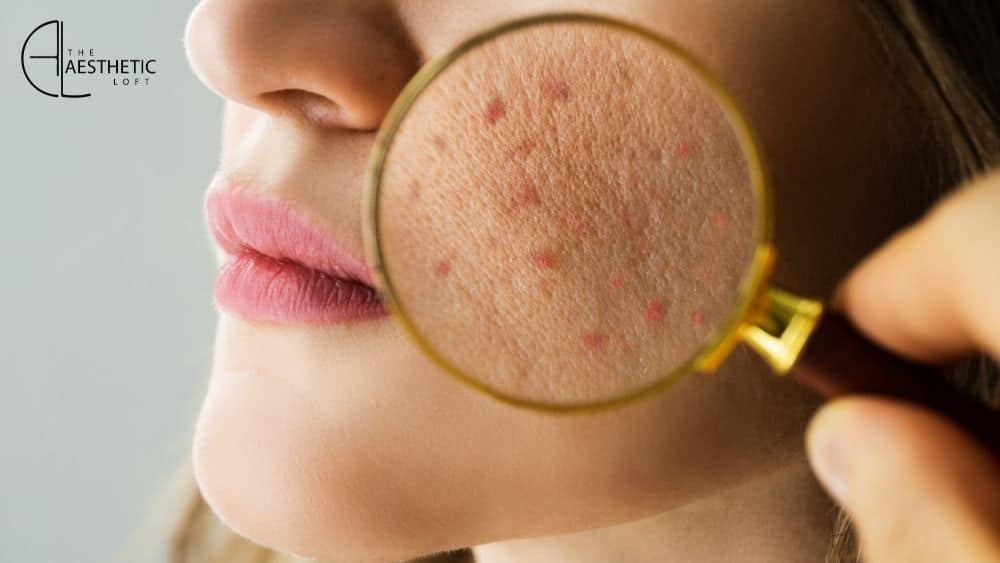
Acne can be prevented and managed long-term by improving daily lifestyle habits that reduce inflammation, balance hormones, protect skin barriers, and limit pore blockage.
Now let’s break this down properly, without myths or unrealistic promises.
Why Lifestyle Matters More Than You Think in Acne
Many people treat acne only with creams or medications. That helps, but it’s only half the solution.
Acne is influenced by:
- Hormones
- Inflammation
- Oil production
- Gut health
- Stress levels
- Daily habits
This is why acne often returns if lifestyle triggers are ignored. Managing acne means controlling what happens inside your body as much as what you apply on your skin.
1. Build a Consistent, Gentle Skincare Routine
Overwashing and harsh products are common mistakes.
Good habits include:
- Washing your face twice daily, not more
- Using a mild, non-foaming cleanser
- Avoiding scrubs that irritate active acne
- Moisturizing, even if your skin is oily
Healthy skin barriers heal faster and break out less.
2. Watch What You Eat, It Shows on Your Skin
Food does not cause acne overnight, but long-term habits matter.
Helpful dietary habits:
- Reduce sugary drinks and refined carbs
- Limit excessive dairy if breakouts worsen after consumption
- Eat more vegetables, fruits, and fiber
- Include healthy fats like nuts and seeds
Balanced blood sugar levels reduce hormonal acne flares.
3. Stay Hydrated Throughout the Day
Dehydrated skin produces more oil to compensate. This increases clogged pores.
Simple hydration habits:
- Drink water regularly, not all at once
- Reduce excessive caffeine intake
- Add hydrating foods like cucumber and citrus
Well-hydrated skin heals faster and tolerates treatments better.
4. Manage Stress Before It Manages Your Skin
Stress increases cortisol, which triggers oil production and inflammation.
Helpful stress-reducing habits:
- Regular physical activity
- Deep breathing or prayer
- Limiting screen time before bed
- Short daily breaks for mental rest
Stress control often improves acne more than people expect.
5. Prioritize Quality Sleep
Poor sleep disrupts hormones that regulate oil glands.
Aim for:
- 7–8 hours of sleep
- Consistent sleep schedule
- Clean pillowcases are changed regularly
Skin repairs itself during sleep. Chronic sleep loss delays healing.
6. Avoid Touching and Picking Acne
This habit spreads bacteria and worsens inflammation.
Instead:
- Keep your hands away from your face
- Avoid squeezing pimples
- Use spot treatments only when needed
Picking often causes dark spots and scars that last longer than acne itself.
7. Keep Hair, Phones, and Accessories Clean
Acne is not only about the face.
Habits to improve:
- Wash your hair regularly if it touches your face
- Clean phone screens daily
- Avoid tight helmets or caps for long periods
These small changes reduce friction and bacterial transfer.
8. Exercise Regularly, But Clean Up After
Exercise improves circulation and hormone balance.
However:
- Always cleanse your face after sweating
- Avoid sitting in sweaty clothes
- Use breathable workout fabrics
Exercise helps acne when hygiene follows.
9. Be Careful With Makeup and Skincare Products
Not all products suit acne-prone skin.
Choose:
- Non-comedogenic makeup
- Oil-free sunscreens
- Lightweight moisturizers
Heavy products clog pores and trigger breakouts silently over time.
10. Know When Lifestyle Isn’t Enough
Lifestyle habits help prevent and manage acne, but they don’t replace medical care when acne is persistent.
Professional treatments may be needed for:
- Hormonal acne
- Cystic acne
- Acne scars
- Post-acne pigmentation
In some cases, treatments that improve skin structure and texture, such as professional aesthetic procedures, are recommended. You can explore advanced skin rejuvenation options like dermal fillers when acne has led to volume loss or scarring that skincare alone cannot fix.
How Long Do Lifestyle Changes Take to Improve Acne?
This depends on consistency.
Most people notice:
- Reduced inflammation in 2–4 weeks
- Fewer breakouts in 6–8 weeks
- Improved skin texture in 3 months
Acne management is gradual, not instant.
Common Mistakes That Make Acne Worse
Avoid these habits:
- Switching products too frequently
- Over-drying the skin
- Following online trends blindly
- Ignoring diet and sleep
Consistency always beats aggressive treatment.
Final Thoughts
So, can lifestyle habits help prevent and manage acne?
Absolutely, when done consistently and correctly.
Healthy skin reflects healthy routines. While treatments play an important role, long-term acne control always starts with daily habits that support your skin, hormones, and overall health.
If acne continues despite good lifestyle changes, professional guidance helps prevent long-term skin damage.