Early Signs of Hair Loss: What to Look For
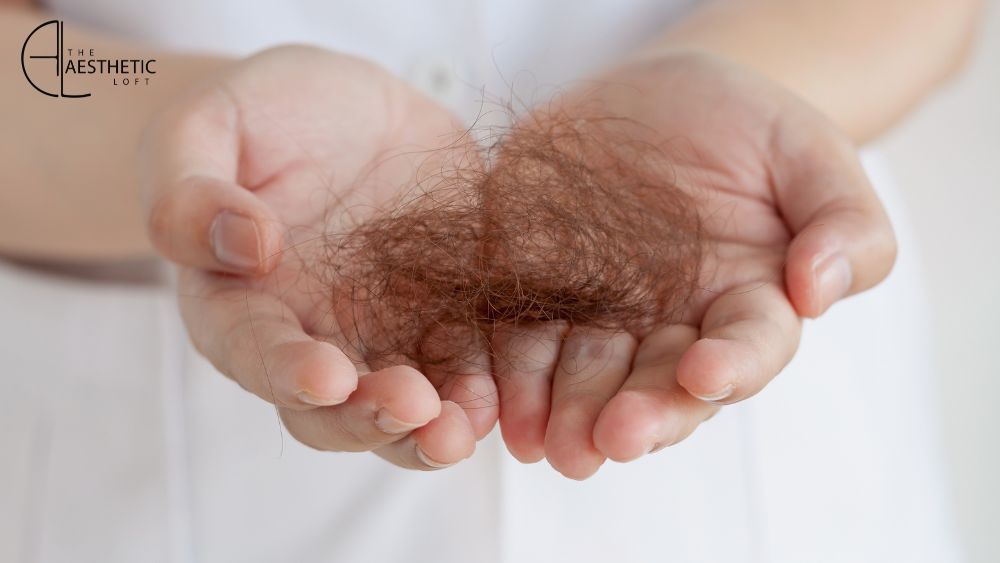
The earliest signs of hair loss include increased shedding, a widening part, thinning at the temples, and a receding hairline. Catching these symptoms early improves treatment success.
Hair loss affects nearly 50% of men and 30% of women at some point in their lives. The key to effective treatment? Recognizing the early signs of hair loss before significant thinning occurs.
In this guide, we’ll cover:
✅ The most common early symptoms
✅ How men and women experience hair loss differently
✅ Underlying causes (genetics, stress, diet, and more)
✅ When to see a doctor
✅ Proven ways to slow or reverse thinning
Let’s uncover the subtle red flags before they become obvious.
Top 7 Early Signs of Hair Loss You Shouldn’t Ignore
Hair loss doesn’t usually happen overnight—it gives subtle warning signs. Recognizing them early can help you take timely action and possibly reverse or slow down the process. Here are the top 7 early signs of hair loss to watch out for:
1. Excess Hair in Your Brush or Shower Drain
While losing 50 to 100 strands per day is considered normal, pay attention if:
- You’re seeing clumps of hair in your comb or shower drain
- You notice hair falling out just from light touching or styling
This could indicate the beginning of telogen effluvium or other shedding disorders.
2. Thinning at the Temples (Men) or a Widening Part (Women)
- Men often notice a receding hairline, forming an “M” shape
- Women may see their part getting wider, with more scalp visibility
This gradual thinning is commonly associated with androgenetic alopecia—a genetic form of hair loss.
3. Noticeably Reduced Hair Volume
If your ponytail feels thinner or your hair looks flat despite styling, you might be losing overall hair density. This is often an early sign of diffuse thinning.
4. Appearance of Miniaturized Hairs
Tiny, fine, and short hairs that never seem to grow long? These are miniaturized hairs, a key sign that your hair follicles are shrinking, weakening the hair strands over time.
5. Itchy, Irritated, or Tender Scalp
Scalp discomfort could signal an inflammatory condition like:
- Seborrheic dermatitis
- Psoriasis
- Folliculitis
Left untreated, inflammation can affect follicle health and contribute to hair loss.
6. Slower Hair Growth Than Usual
If your hair seems to take forever to grow back after a trim, your follicles may be shifting into a longer resting phase, which is often an early red flag for thinning or poor scalp circulation.
7. Sudden Patchy Hair Loss
Have you spotted circular bald patches on your scalp, beard, or eyebrows? This could point to alopecia areata, an autoimmune condition that causes sudden, uneven hair shedding.
How Men vs. Women Experience Early Hair Loss
Men:
✔ Receding hairline (temples first)
✔ Thinning crown (“bald spot”)
✔ Overall diffuse thinning
Women:
✔ Wider part line
✔ Reduced volume at the top of the head
✔ Rarely a receding hairline (unless hormonal)
What Causes Early Hair Loss?
| Cause | How It Triggers Loss | Reversible? |
| Genetics (Androgenetic Alopecia) | DHT hormone shrinks follicles | Manageable, not curable |
| Stress (Telogen Effluvium) | Pushes hair into shedding phase | Yes (3–6 months) |
| Nutritional Deficiencies | Low iron, vitamin D, or protein weakens hair | Yes (with diet changes) |
| Hormonal Changes | Pregnancy, menopause, or thyroid issues | Often reversible |
| Hairstyling Damage | Tight braids, heat tools, or chemicals | Yes (if caught early) |
When to See a Doctor
Consult a dermatologist if you notice:
🔴 Sudden or patchy hair loss
🔴 Scalp redness, scaling, or pain
🔴 Hair loss with fatigue or weight changes (could signal thyroid issues)
Diagnostic Tests:
- Pull test (checks for excessive shedding)
- Blood work (iron, thyroid, hormones)
- Scalp biopsy (for scarring alopecia)
How to Slow or Reverse Early Hair Loss
Medical Treatments
- Minoxidil (Rogaine®) – Stimulates follicles (OTC)
- Finasteride (Propecia®) – Blocks DHT (prescription)
- PRP Therapy – Growth factor injections
Natural Approaches
- Scalp massage (boosts circulation)
- Rosemary oil (studies show it rivals minoxidil)
- Balanced diet (rich in iron, zinc, biotin)
Lifestyle Changes
- Reduce stress (yoga, meditation)
- Avoid tight hairstyles (ponytails, braids)
- Use gentle hair care (sulfate-free shampoos)
Hair Loss Prevention Checklist
✔ Eat protein-rich foods (eggs, fish, lentils)
✔ Manage stress (chronic stress worsens shedding)
✔ Get regular trims (prevents split ends from traveling up)
✔ Sleep on silk pillowcases (reduces friction breakage)
Myths About Early Hair Loss
❌ “Wearing hats causes baldness.” (False – unless it’s extremely tight)
❌ “Only older people lose hair.” (Genetics can trigger it in your 20s)
❌ “Shaving makes hair grow back thicker.” (Illusion – the blunt tip feels coarser)
Final Verdict: Act Early for Better Results
The early signs of hair loss are subtle but treatable. If you notice increased shedding, thinning, or scalp changes, take action now—early intervention yields the best outcomes.
Concerned about thinning? Schedule a consultation with a trichologist today!