Comprehensive Guide to Rhinoplasty
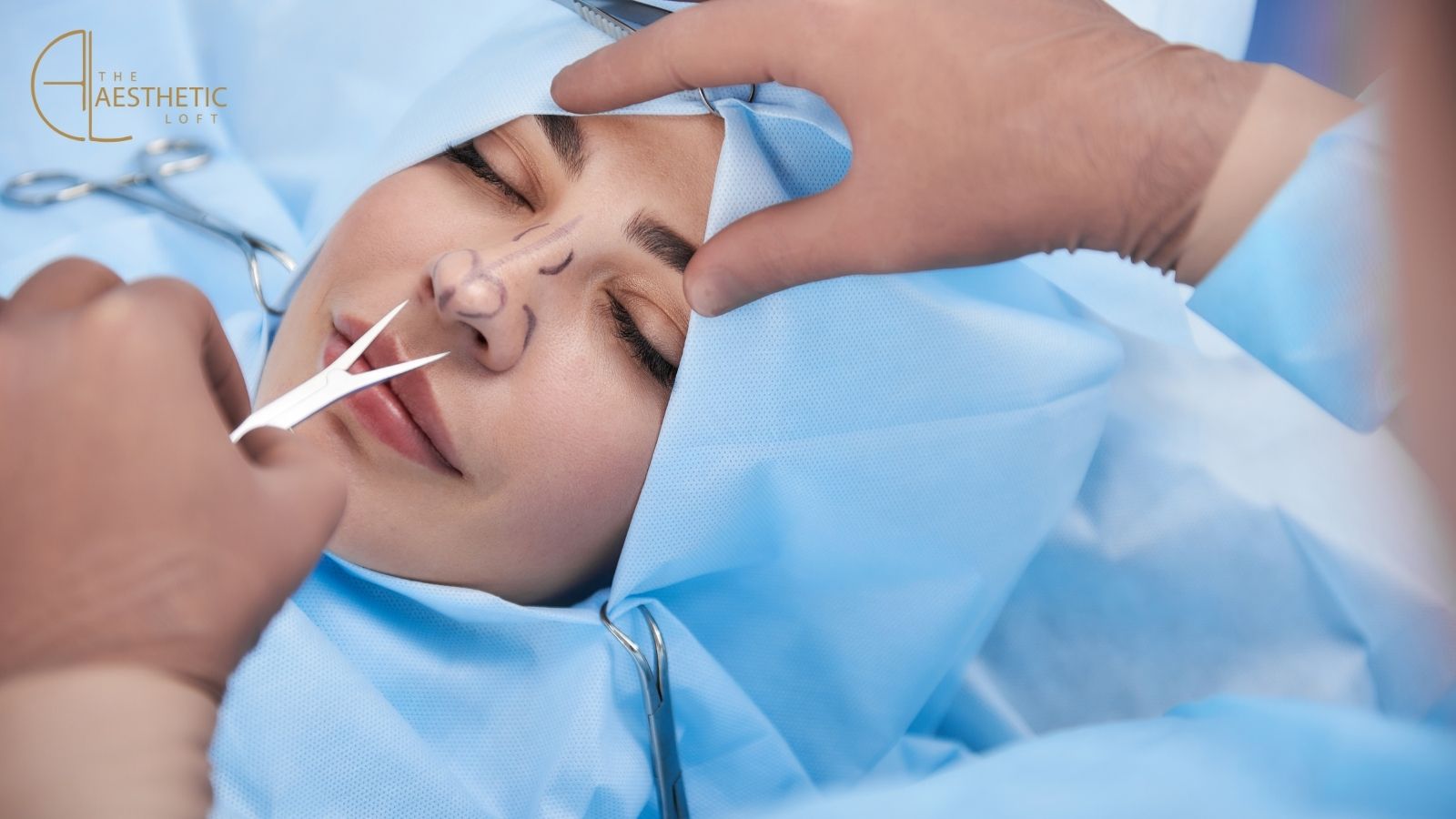
Rhinoplasty, commonly referred to as a nose job, is a popular surgical procedure that reshapes or enhances the nose’s structure and appearance. Whether for cosmetic or medical reasons, rhinoplasty can improve facial harmony and function, boosting confidence and quality of life.
What is Rhinoplasty?
Rhinoplasty is a surgical procedure aimed at altering the shape, size, or structure of the nose. It can address both aesthetic concerns and functional issues, such as breathing difficulties caused by structural abnormalities.
Types of Rhinoplasty
- Cosmetic Rhinoplasty
- Focuses on enhancing the nose’s appearance to complement facial features.
- Common goals include resizing, reshaping the tip or bridge, and correcting asymmetry.
- Functional Rhinoplasty
- Corrects nasal obstructions or breathing issues.
- Often involves repairing a deviated septum or reducing enlarged turbinates.
- Revision Rhinoplasty
- Performed to address unsatisfactory results from a previous surgery.
- More complex and requires experienced surgeons.
- Non-Surgical Rhinoplasty
- Utilizes dermal fillers to make minor changes without surgery.
- Suitable for correcting small imperfections but is temporary.
Who is a Good Candidate?
Ideal candidates for rhinoplasty:
- Are in good overall health.
- Have realistic expectations about the outcome.
- Are seeking to improve nasal aesthetics or functionality.
- Are at least 16 years old, ensuring nasal growth is complete.
Procedure Overview
- Consultation
- Discuss your goals and concerns with a qualified plastic surgeon.
- The surgeon will evaluate your nose’s structure and recommend the best approach.
- Preparation
- Pre-surgery instructions include avoiding smoking, alcohol, and certain medications.
- Arrange for transportation and post-operative care.
- Surgery
- Open Rhinoplasty: An incision is made across the columella (the tissue between the nostrils) for greater visibility and precision.
- Closed Rhinoplasty: All incisions are made inside the nose, resulting in no visible scars.
- Depending on the complexity, the surgery typically lasts 1-3 hours.
- Post-Surgery
- A nasal splint is applied to support the new structure during healing.
- Swelling and bruising around the eyes and nose are common and subside within a few weeks.
Recovery Process
- Immediate Recovery (1-2 Weeks)
- Rest and avoid strenuous activities.
- Keep your head elevated to minimize swelling.
- Mid-Term Recovery (2-4 Weeks)
- Most swelling and bruising fade.
- Light activities can resume.
- Long-Term Recovery (6-12 Months)
- The final shape and appearance of the nose become apparent.
- Internal healing continues, improving functionality.
Benefits of Rhinoplasty
- Enhances facial symmetry and balance.
- Corrects breathing problems caused by structural defects.
- Improves self-confidence and satisfaction with appearance.
Risks and Considerations
While generally safe, potential risks include:
- Infection or bleeding.
- Scarring or uneven results.
- Temporary breathing difficulties.
- Need for revision surgery in rare cases.
Cost Factors
Rhinoplasty costs depend on:
- Surgeon’s expertise and reputation.
- Location of the clinic.
- Complexity of the procedure.
- Whether it’s covered by insurance for functional corrections.
Preparing for Rhinoplasty
- Before Surgery: Avoid medications that thin the blood, such as aspirin.
- After Surgery: Arrange for follow-up appointments and follow care instructions diligently.
Why Choose Aesthetic Loft for Rhinoplasty?
Aesthetic Loft is dedicated to providing exceptional rhinoplasty services tailored to your unique needs. With highly skilled surgeons and state-of-the-art facilities, we ensure a safe, satisfying experience from consultation to recovery.
Transform Your Profile Today!
Discover the confidence a perfectly shaped nose can bring. Contact Aesthetic Loft now to schedule your personalized consultation with our expert surgeons!