Hair Exosomes for Female Hair Loss: A Complete Treatment Guide
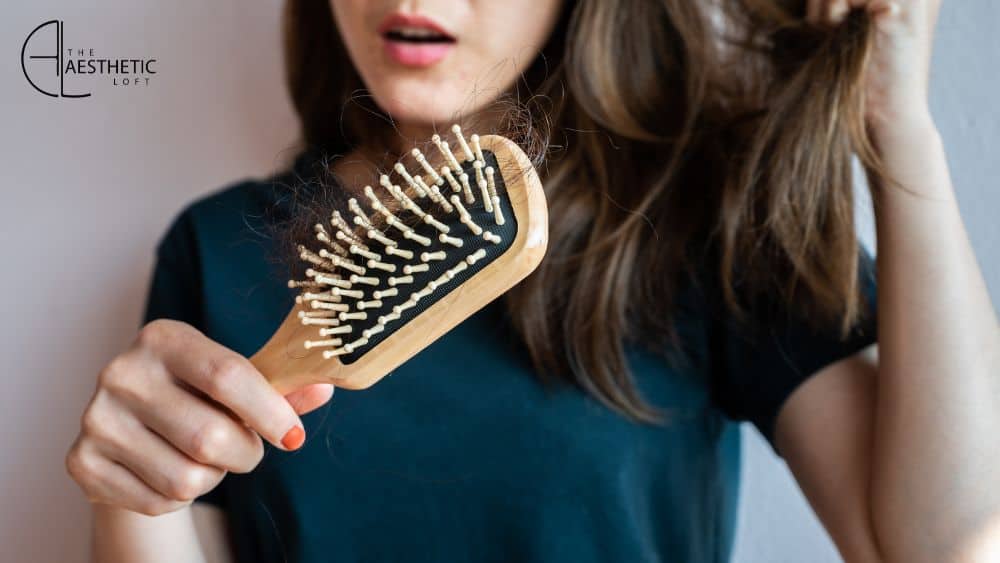
Hair loss is often associated with men, but millions of women experience hair thinning, reduced hair density, and excessive shedding throughout their lives. Female hair loss can affect confidence, self-esteem, and overall quality of life, especially when traditional treatments fail to deliver noticeable results.
In recent years, hair exosome therapy has emerged as one of the most promising regenerative treatments for women experiencing hair thinning. Unlike conventional treatments that focus on slowing hair loss, exosome therapy aims to improve the scalp environment and support healthier hair follicle function at a cellular level.
This guide explains everything you need to know about hair exosomes for female hair loss, including how the treatment works, who it is suitable for, expected results, potential risks, and whether it may be the right option for your hair restoration journey.
Understanding Female Hair Loss
Female hair loss differs significantly from male pattern baldness. While men often develop receding hairlines and bald patches, women typically experience diffuse thinning across the scalp.
The condition may develop gradually over months or years, making it difficult to identify until significant hair density has already been lost. Early diagnosis and intervention can play a crucial role in preserving existing hair follicles and improving treatment outcomes.
Common Causes of Female Hair Loss
Several factors can contribute to hair thinning in women.
Genetic Hair Loss
Female pattern hair loss is one of the most common causes of thinning hair. It is often hereditary and can gradually reduce hair density, particularly around the crown and parting line.
Hormonal Changes
Hormonal fluctuations associated with pregnancy, menopause, thyroid disorders, or conditions such as PCOS can significantly impact hair growth cycles.
Stress and Lifestyle Factors
Physical stress, emotional stress, poor nutrition, and inadequate sleep can trigger excessive shedding and slow hair regrowth.
Nutritional Deficiencies
Deficiencies in iron, vitamin D, zinc, protein, and other essential nutrients can weaken hair follicles and contribute to thinning.
Medical Conditions
Certain autoimmune diseases, scalp conditions, and chronic illnesses may also affect hair growth and follicle health.
What Are Hair Exosomes?
Exosomes are microscopic extracellular vesicles that act as communication messengers between cells. They contain growth factors, proteins, peptides, signaling molecules, and other regenerative components that help coordinate tissue repair and cellular function.
In hair restoration, exosomes are introduced into the scalp to help stimulate follicular activity and improve the environment surrounding weakened hair follicles.
Unlike hair transplantation, exosome therapy does not involve surgery. Instead, it focuses on enhancing the body’s natural regenerative processes to support healthier and stronger hair growth.
How Hair Exosome Therapy Works
Hair follicles rely on a healthy scalp environment to produce strong, thick hair. When follicles become weakened due to aging, hormonal changes, inflammation, or genetic factors, hair growth can slow significantly.
Exosome therapy works by delivering regenerative signals directly to the scalp.
Stimulation of Hair Follicles
Exosomes contain growth factors that may help stimulate dormant or weakened follicles. This can encourage follicles to re-enter the active growth phase of the hair cycle.
Reduction of Scalp Inflammation
Chronic inflammation can negatively affect hair follicle function. Exosomes may help reduce inflammatory activity, creating a healthier environment for hair growth.
Support for Cellular Repair
The regenerative molecules contained within exosomes help support tissue repair and cellular communication, which may improve overall scalp health.
Improved Hair Density
Over time, healthier follicles may produce thicker and stronger hair shafts, leading to improved density and coverage.
Why Hair Exosomes Are Gaining Popularity Among Women
Many women are looking for alternatives to medications and surgical procedures. Hair exosome therapy offers a modern regenerative approach that addresses hair thinning without extensive downtime.
One reason for its growing popularity is its ability to target multiple factors associated with hair loss simultaneously. Instead of focusing solely on hair growth, exosomes help improve the scalp environment that supports healthy follicles.
Women also appreciate that the treatment is minimally invasive and can often be completed in a single clinic visit.
Who Is a Good Candidate for Hair Exosome Therapy?
Hair exosome therapy may be beneficial for women experiencing early to moderate hair thinning. The treatment tends to work best when hair follicles are still present but functioning below their full potential.
Ideal Candidates Include:
- Women experiencing diffuse hair thinning
- Female pattern hair loss sufferers
- Women noticing widening of the hair part
- Individuals with reduced hair density
- Patients seeking non-surgical hair restoration
The earlier treatment begins, the greater the likelihood of achieving meaningful improvements.
Who May Not Be an Ideal Candidate?
Exosome therapy may be less effective when hair follicles have been completely lost.
Examples Include:
- Long-standing bald patches
- Advanced follicular destruction
- Certain scarring alopecia conditions
A professional assessment is essential to determine whether sufficient active follicles remain to respond to treatment.
The Hair Exosome Treatment Procedure
The procedure is relatively straightforward and typically performed in an outpatient setting.
Consultation and Assessment
The first step involves a detailed evaluation of your scalp, hair density, medical history, and treatment goals. This helps determine whether exosome therapy is appropriate for your specific condition.
Scalp Preparation
The treatment area is cleansed, and a topical numbing agent may be applied to improve comfort during the procedure.
Exosome Application
The exosome solution is introduced into targeted areas of the scalp using specialized injection techniques or delivery systems.
Post-Treatment Care
Most patients can resume normal activities shortly after treatment, although specific aftercare instructions will vary depending on the clinic protocol.
What Results Can Women Expect?
One of the most important things to understand about exosome therapy is that results are gradual rather than immediate.
Hair growth occurs in cycles, and follicles need time to respond to regenerative signals before visible changes become apparent.
First Few Weeks
Most patients do not notice major cosmetic changes immediately after treatment. However, cellular activity begins beneath the surface.
Two to Four Months
Many women start noticing reduced shedding and improvements in hair texture during this stage.
Four to Six Months
Hair density may begin improving as more follicles enter the active growth phase.
Six to Twelve Months
The most noticeable improvements often occur during this period, with thicker, healthier-looking hair and increased overall density.
Hair Exosomes vs PRP for Female Hair Loss
PRP and exosomes are frequently compared because both are regenerative hair restoration treatments.
PRP Therapy
PRP uses the patient’s own blood to obtain platelet-rich plasma, which contains growth factors that support healing and regeneration.
Exosome Therapy
Exosomes contain a concentrated collection of signaling molecules and growth factors designed to enhance cellular communication and tissue repair.
Key Differences
Source
PRP comes from the patient’s blood, while exosomes are derived through specialized laboratory processes.
Growth Factor Concentration
Exosomes often contain a broader range of regenerative signaling molecules.
Treatment Approach
PRP primarily delivers growth factors, whereas exosomes focus heavily on cellular communication and regenerative signaling.
Both treatments have potential benefits, and suitability depends on individual circumstances.
Potential Benefits of Hair Exosomes for Women
Women considering exosome therapy are often interested in the potential advantages beyond simple hair growth.
Improved Hair Density
Healthier follicles may produce stronger and thicker hair over time.
Reduced Hair Shedding
Many patients report less daily hair fall following treatment.
Enhanced Hair Quality
Hair may appear fuller, stronger, and healthier as follicle function improves.
Non-Surgical Treatment
Unlike hair transplantation, exosome therapy does not require surgery or extensive recovery.
Minimal Downtime
Most patients can return to normal activities shortly after treatment.
Are There Any Side Effects?
Hair exosome therapy is generally considered minimally invasive, but mild side effects can occur.
Temporary Redness
Some patients experience mild redness at the treatment sites.
Tenderness
Minor scalp sensitivity may occur for a short period following treatment.
Swelling
Temporary swelling can occasionally develop around injection areas.
Most side effects are mild and resolve within a few days.
How Many Sessions Are Needed?
The number of sessions varies depending on:
- Severity of hair loss
- Hair follicle health
- Treatment goals
- Individual response
Some patients may benefit from a single treatment, while others may require a customized treatment plan with periodic maintenance sessions.
A consultation with an experienced practitioner is essential for determining the most appropriate schedule.
How to Maximize Your Results
Successful hair restoration often involves more than a single treatment.
Maintain a Healthy Diet
Hair follicles require adequate nutrition to function properly.
Manage Stress
Chronic stress can negatively impact hair growth cycles.
Follow Professional Advice
Using recommended hair care products and following aftercare instructions can support optimal outcomes.
Address Underlying Causes
Treating hormonal imbalances, nutritional deficiencies, or medical conditions can improve long-term results.
Is Hair Exosome Therapy Worth It for Female Hair Loss?
For women experiencing early to moderate hair thinning, hair exosome therapy represents an exciting advancement in regenerative medicine.
Rather than simply masking the problem, the treatment aims to improve follicular health and support natural hair growth processes. While results vary from person to person, many women view exosome therapy as a valuable non-surgical option for improving hair density and reducing ongoing hair loss.
The key to success is proper patient selection, realistic expectations, and treatment by a qualified professional with experience in regenerative hair restoration.
Final Thoughts
Female hair loss can be emotionally challenging, but advances in regenerative medicine have created new opportunities for treatment. Hair exosome therapy offers a modern, minimally invasive approach designed to support healthier follicles, improve scalp health, and encourage stronger hair growth.
Although no treatment can guarantee identical results for every patient, exosomes are becoming an increasingly popular option for women seeking non-surgical hair restoration solutions. A thorough consultation with an experienced practitioner can help determine whether this innovative treatment aligns with your goals and hair loss concerns.
Frequently Asked Questions
Do hair exosomes work for female hair loss?
Hair exosome therapy may help women experiencing early to moderate hair thinning by supporting follicle health and encouraging healthier hair growth.
How long does it take to see results from hair exosomes?
Most women begin noticing improvements within a few months, with more significant results typically appearing between six and twelve months.
Is exosome therapy better than PRP for female hair loss?
Both treatments have unique benefits. The best option depends on the individual’s condition, goals, and practitioner recommendations.
Can hair exosomes regrow lost hair?
Exosome therapy is most effective when active follicles are still present. Completely destroyed follicles are unlikely to regenerate.
Is hair exosome treatment painful?
Most patients report minimal discomfort, and numbing techniques are often used to improve comfort during treatment.