How to Treat Pigmentation & Dark Spots Safely in Summer?
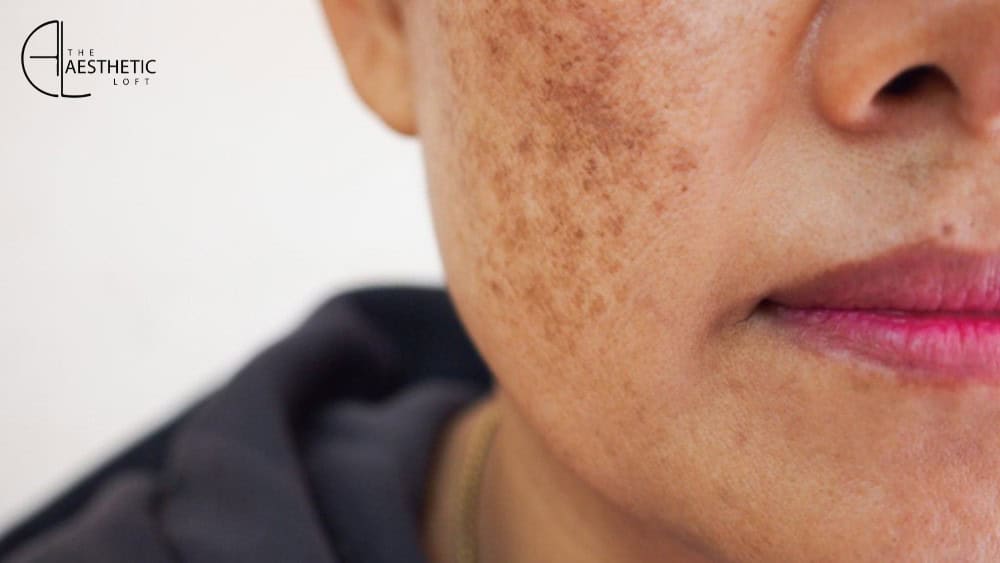
Pigmentation and dark spots get worse in summer — not better.
You might notice:
- Dark patches are becoming deeper
- Acne marks are staying longer
- Melasma spreading
- Uneven skin tone after sun exposure
And here’s the frustrating part…
👉 Many treatments that work in winter can actually irritate or worsen pigmentation in hot weather.
So the goal in summer is different:
Treat gently. Protect aggressively. Avoid harsh procedures.
Let’s walk through what actually works — safely.
Why Pigmentation Gets Worse in Summer
In countries like Pakistan and South Asia, summer means:
- Intense UV radiation
- Extreme heat
- Humidity + sweat
- Dust & pollution
These trigger melanin overproduction, which causes:
Common summer skin problems:
- Melasma
- Sun spots
- Tanning
- Post-acne marks
- Uneven tone
And if your skin tone is medium to deep (Fitzpatrick III–V), pigmentation forms faster and darker.
That’s why extra care is needed.
First Rule: Don’t Use Harsh Treatments in Peak Summer
Many people make this mistake:
❌ Strong chemical peels
❌ DIY acids
❌ Over-exfoliation
❌ Lemon/home remedies
❌ Cheap whitening creams
These can damage the skin barrier → causing post-inflammatory hyperpigmentation (PIH).
Instead, summer skincare should focus on:
✅ Gentle exfoliation
✅ Oil control
✅ Hydration
✅ Sun protection
✅ Mild professional treatments
Safe Professional Treatments for Summer Pigmentation
⭐ 1. Gentle Chemical Peels (Superficial Only)
Light or superficial peels help by:
- Removing dead skin
- Fading dark spots gradually
- Improving skin turnover
- Brightening dull tone
- Controlling oil
These are much safer than deep peels in hot weather.
You can explore safe peel options here:
👉 Chemical Peels service page (add your internal link once)
Why they work well in summer:
Because they’re controlled, mild, and don’t aggressively damage the skin barrier.
⭐ 2. Hydrating Facials (Barrier Repair)
Gentle treatments like hydrating or detox facials help:
- Calm irritated skin
- Reduce inflammation
- Improve glow
- Support healing
- Prevent new pigmentation
Healthy skin heals pigmentation faster.
⭐ 3. Targeted Serums & Topicals
Dermatologists usually recommend:
- Vitamin C (brightening)
- Niacinamide (oil control + repair)
- Alpha arbutin (dark spots)
- Azelaic acid (melasma safe)
- Sunscreen (most important)
Consistency matters more than strength.
Daily Skincare Routine for Summer Pigmentation
Morning ☀️
- Gentle cleanser
- Vitamin C serum
- Light moisturizer
- Broad-spectrum SPF 50 sunscreen
Night 🌙
- Cleanser
- Niacinamide or azelaic acid
- Hydrating moisturizer
Weekly
- Mild exfoliation (1–2 times max)
- Professional facial/peel as advised
Overdoing products often worsens pigmentation.
Things You Must Avoid in Summer
Let me save you from common mistakes 👇
❌ Strong peels
❌ Laser resurfacing in extreme heat
❌ Skipping sunscreen
❌ Going out after treatments without protection
❌ Picking acne or scabs
❌ Trying social media hacks
Even one sunburn can undo months of progress.
Sunscreen: Your #1 Pigmentation Treatment
Honestly, no treatment works without sunscreen.
If you skip SPF:
- Spots return faster
- Melasma spreads
- Treatments fail
- Skin darkens again
Use:
✔ SPF 50+
✔ Broad spectrum (UVA/UVB)
✔ Reapply every 2–3 hours
✔ Hats/sunglasses outdoors
Think of sunscreen as medicine, not makeup.
Which Treatment Should You Choose?
Choose gentle peels/facials if you:
✔ Have mild pigmentation
✔ Want gradual brightening
✔ Need low downtime
✔ Live in hot climates
Avoid aggressive procedures if you:
❌ Stay outdoors a lot
❌ Can’t reapply sunscreen
❌ Have sensitive skin
❌ Have active melasma
Summer is for maintenance and prevention, not aggressive correction.
Final Verdict: How to Treat Pigmentation Safely in Summer?
If we keep it simple:
👉 Gentle treatments + sun protection = best results
- Mild peels for gradual fading
- Hydration to strengthen skin
- Topical serums for daily repair
- Strict sunscreen for protection
Trying to rush results in the summer often backfires. Slow and steady is safer — and more effective.