Exosomes After Hair Transplant: Do They Improve Graft Survival?
Hair transplantation remains one of the most effective solutions for restoring hair in areas affected by significant hair loss. Modern techniques such as FUE (Follicular Unit Extraction) and FUT (Follicular Unit Transplantation) can deliver natural-looking results when performed by experienced surgeons.
However, the success of a hair transplant depends on more than just the procedure itself. The survival of transplanted grafts, proper healing, and long-term follicle health all play a critical role in determining the final outcome. This is why many clinics are now exploring regenerative treatments that can support recovery and optimize results.
One treatment generating significant attention is exosome therapy. Often described as a next-generation regenerative solution, exosomes are increasingly being used alongside hair restoration procedures. But can exosomes actually improve graft survival after a hair transplant? And are they worth considering as part of your recovery plan?
In this comprehensive guide, we’ll explore the science behind exosomes, their potential benefits after a hair transplant, and whether they can help improve overall hair restoration outcomes.
Understanding Hair Transplant Graft Survival
Before discussing exosomes, it’s important to understand why graft survival matters.
During a hair transplant, healthy hair follicles are extracted from a donor area and implanted into thinning or bald regions of the scalp. These follicles undergo significant stress during the harvesting, handling, and implantation process.
Although modern techniques achieve high success rates, not every transplanted follicle survives. The percentage of follicles that successfully establish themselves and begin producing new hair is known as the graft survival rate.
Several factors influence graft survival, including:
- Surgical technique
- Surgeon experience
- Graft handling
- Blood supply to the scalp
- Post-operative care
- Individual healing response
The goal of any supportive treatment is to create an optimal environment for these newly transplanted follicles.
What Are Exosomes?
Exosomes are microscopic extracellular vesicles released by cells as part of natural cellular communication. They contain various bioactive components, including:
- Growth factors
- Proteins
- Cytokines
- Peptides
- Messenger molecules
These signaling molecules help cells communicate, repair tissue, and regulate regenerative processes throughout the body.
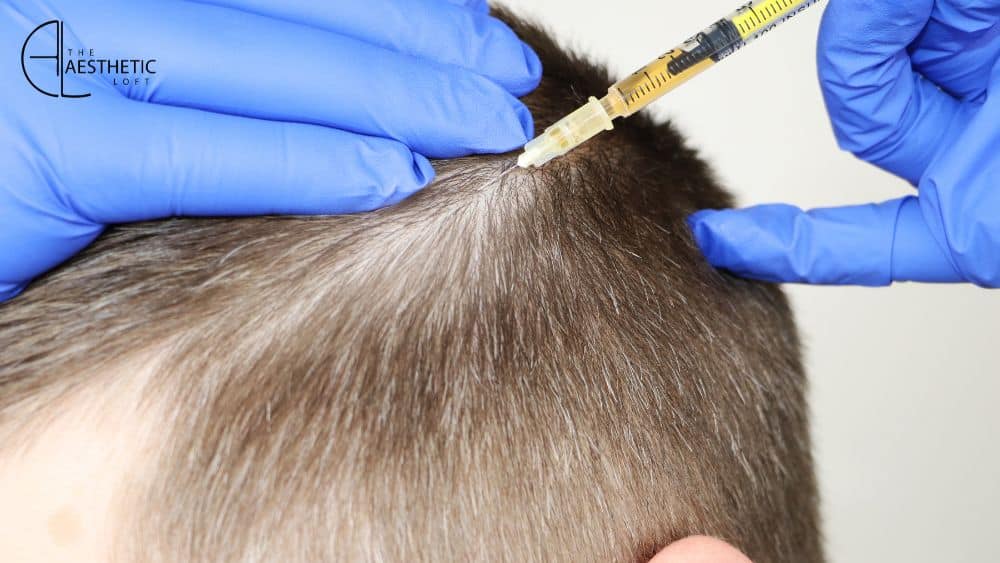
In regenerative medicine, exosomes are used to support tissue healing and cellular function. In hair restoration, they are introduced into the scalp to promote a healthier environment around hair follicles.
Unlike hair transplantation, exosome therapy does not create new follicles. Instead, it focuses on supporting existing follicles and enhancing scalp conditions that may contribute to successful hair growth.
Why Recovery Matters After a Hair Transplant
Many patients focus entirely on the transplant procedure itself while overlooking the importance of recovery.
The weeks and months following surgery are critical because transplanted follicles must:
- Establish a new blood supply
- Adapt to their new location
- Survive the healing process
- Re-enter the hair growth cycle
During this period, inflammation, reduced circulation, and healing challenges can potentially affect outcomes.
This is one reason regenerative therapies have become increasingly popular as complementary treatments.
How Exosomes May Support Hair Transplant Recovery
Exosome therapy is often used after a transplant because of its potential regenerative properties.
Supporting Cellular Communication
Healthy healing depends on effective communication between cells. Exosomes contain signaling molecules that help coordinate tissue repair and recovery processes within the scalp.
By supporting cellular communication, exosomes may contribute to a healthier healing environment around transplanted grafts.
Promoting Tissue Repair
Hair transplantation creates thousands of tiny recipient sites across the scalp. These micro-injuries are a normal part of the procedure and must heal properly.
Exosomes may support tissue repair by delivering regenerative signals that encourage recovery at a cellular level.
Reducing Inflammation
Inflammation is a natural part of healing, but excessive inflammation may potentially interfere with recovery.
Some research suggests that exosomes may help regulate inflammatory responses, creating a more favorable environment for transplanted follicles.
Supporting Follicle Health
Newly transplanted grafts are particularly vulnerable during the early healing phase.
Exosomes may help support follicular health by delivering growth factors and signaling molecules that encourage healthy cellular activity around the follicles.
Can Exosomes Improve Graft Survival?
This is one of the most common questions patients ask.
The theory behind exosome therapy is that a healthier scalp environment may help transplanted follicles survive and function more effectively. By supporting healing, reducing inflammation, and enhancing cellular communication, exosomes may potentially contribute to improved graft retention.
However, it’s important to understand that graft survival depends on multiple factors, and exosomes should not be viewed as a replacement for proper surgical technique.
What Current Evidence Suggests
Research in regenerative medicine continues to evolve, and interest in exosomes has grown rapidly.
Early studies and clinical observations suggest that exosomes may:
- Support healing after transplantation
- Improve scalp recovery
- Enhance follicular activity
- Promote healthier hair growth conditions
While these findings are encouraging, ongoing research is still needed to fully establish the extent of their impact on graft survival rates.
Exosomes and Shock Loss After Hair Transplant
Many patients experience temporary shedding after a hair transplant, commonly known as shock loss.
Shock loss occurs when transplanted hairs temporarily enter a resting phase before beginning new growth. Although this process is normal, it can be stressful for patients who are eager to see results.
How Exosomes May Help
Some practitioners believe exosomes may help support follicles during this transition period by improving the healing environment and encouraging healthy follicular activity.
While exosomes cannot completely eliminate shock loss, they may contribute to a smoother recovery process in certain patients.
Potential Benefits of Exosomes After Hair Transplant
Patients often choose exosome therapy because of its potential advantages during the recovery phase.
Enhanced Healing
One of the primary goals of exosome therapy is to support tissue repair and scalp recovery following surgery.
A healthier healing response may help patients recover more comfortably and efficiently.
Reduced Recovery Time
Although individual experiences vary, some patients report faster recovery and reduced post-procedure discomfort after receiving regenerative treatments.
This may allow patients to return to normal activities more quickly.
Improved Scalp Health
A healthy scalp provides a stronger foundation for both transplanted and existing hair follicles.
Exosomes may help improve the overall scalp environment by supporting cellular repair and regeneration.
Support for Existing Hair
Hair transplantation addresses areas of hair loss, but many patients still have existing hair that may continue to thin over time.
Exosome therapy may help support non-transplanted follicles as part of a comprehensive hair restoration strategy.
When Should Exosomes Be Performed After a Hair Transplant?
The timing of exosome therapy can vary depending on the clinic and treatment protocol.
Immediate Post-Procedure Application
Some clinics administer exosomes on the same day as the transplant procedure to support early healing and recovery.
Early Recovery Phase
Other practitioners prefer applying exosomes several weeks after surgery once the scalp has begun healing.
Customized Treatment Plans
The ideal timing often depends on factors such as:
- Surgical technique used
- Scalp condition
- Extent of transplantation
- Individual recovery rate
A personalized treatment plan provides the best guidance for timing.
Exosomes vs PRP After Hair Transplant
PRP and exosomes are often compared because both are commonly used in hair restoration.
PRP Therapy
Platelet-Rich Plasma (PRP) is created using the patient’s own blood. The plasma contains growth factors that may support healing and follicular activity.
Exosome Therapy
Exosomes contain a broader range of signaling molecules that help facilitate communication between cells and support regenerative processes.
Key Differences
Source
PRP comes directly from the patient’s blood, while exosomes are prepared through specialized laboratory processes.
Treatment Focus
PRP primarily delivers growth factors, while exosomes emphasize cellular signaling and communication.
Scalability
Exosomes can provide consistent concentrations of regenerative molecules without requiring a blood draw.
Both therapies can play valuable roles in post-transplant care depending on individual circumstances.
Who May Benefit Most from Exosomes After Hair Transplant?
Exosome therapy may be particularly beneficial for patients who:
- Want to optimize recovery
- Are seeking comprehensive hair restoration
- Have concerns about healing
- Wish to support overall scalp health
- Want to complement their transplant results
The treatment is often viewed as an enhancement rather than a necessity.
Are There Any Side Effects?
Exosome therapy is generally considered minimally invasive, but mild side effects may occur.
Temporary Redness
Some patients experience slight redness at treatment sites.
Mild Tenderness
The scalp may feel sensitive for a short period following treatment.
Temporary Swelling
Minor swelling can occasionally occur and typically resolves quickly.
Most side effects are temporary and manageable.
How Long Does It Take to See Results?
It’s important to remember that hair growth is a gradual process.
First Few Weeks
Healing and scalp recovery occur beneath the surface.
Two to Four Months
Many patients begin noticing reduced shedding and healthier-looking hair.
Six to Twelve Months
The most significant improvements in transplant growth and density usually become visible during this period.
Results vary depending on individual healing responses and overall treatment plans.
Is Exosome Therapy Worth It After a Hair Transplant?
For patients investing in a hair transplant, protecting and supporting those newly transplanted follicles is often a priority.
Exosome therapy offers a promising regenerative approach that may help create a healthier environment for recovery and follicular function. While no treatment can guarantee perfect graft survival, many patients view exosomes as a valuable addition to their hair restoration strategy.
The decision ultimately depends on your goals, budget, and the recommendations of your hair restoration specialist.
Final Thoughts
Hair transplantation remains one of the most effective long-term solutions for hair loss, but recovery and graft survival play a major role in determining final results.
Exosome therapy has emerged as an innovative regenerative treatment that may support healing, improve scalp health, and potentially enhance the environment in which transplanted follicles grow. Although research continues to evolve, many clinics now incorporate exosomes into comprehensive hair restoration plans to optimize outcomes.
If you are considering a hair transplant or looking for ways to maximize your results, discussing exosome therapy with an experienced hair restoration professional may help you determine whether it fits your treatment goals.
Frequently Asked Questions
Do exosomes help hair transplant grafts survive?
Exosomes may support healing and scalp health, potentially creating a better environment for graft survival, although outcomes vary among patients.
When should exosomes be used after a hair transplant?
The timing depends on the treatment plan. Some clinics apply exosomes immediately after surgery, while others recommend treatment during the recovery phase.
Are exosomes better than PRP after a hair transplant?
Both treatments offer unique benefits. The best option depends on individual goals, scalp condition, and practitioner recommendations.
Can exosomes speed up hair transplant recovery?
Some patients report improved healing and recovery experiences, although results can vary.
How many exosome sessions are needed after a hair transplant?
The number of sessions depends on the patient’s needs, transplant size, and overall hair restoration plan. A consultation is the best way to determine the appropriate approach.