Post-Inflammatory Hyperpigmentation (PIH): Treatment for Acne Marks

Acne may disappear, but the dark marks it leaves behind can remain for months or even years. These stubborn spots are known as Post-Inflammatory Hyperpigmentation (PIH).
PIH is one of the most common skin concerns, especially among people who have experienced moderate to severe acne. The good news is that these marks are treatable, and with the right skincare routine and professional treatments, your skin tone can gradually return to normal.
In this guide, we’ll explain what PIH is, why acne causes dark spots, and the most effective treatments available today.
What Is Post-Inflammatory Hyperpigmentation (PIH)?
Post-Inflammatory Hyperpigmentation is a condition where dark patches appear on the skin after inflammation or injury.
In the case of acne, inflammation triggers the skin to produce excess melanin, the pigment responsible for skin color. When the skin heals, this extra melanin can remain in the affected area, creating dark marks.
These marks may appear as:
- Brown spots
- Dark red or purple patches
- Flat discoloration after acne heals
Unlike acne scars, PIH affects skin color rather than skin texture.
What Causes PIH After Acne?
When the skin becomes inflamed due to acne, the body activates its natural healing process.
This process stimulates melanocytes, the cells responsible for producing melanin. Sometimes these cells produce too much pigment, which leads to discoloration.
Common triggers include:
- Severe acne breakouts
- Picking or squeezing pimples
- Skin irritation
- Inflammatory skin conditions
- Aggressive skincare treatments
People with medium to darker skin tones are generally more prone to PIH because their skin produces more melanin.
PIH vs Acne Scars: What’s the Difference?
Many people confuse acne scars with PIH, but they are not the same.
| Condition | Description |
|---|---|
| Post-Inflammatory Hyperpigmentation | Dark spots caused by excess pigment |
| Acne Scars | Permanent changes in skin texture |
| Appearance | Flat discoloration |
| Texture | Skin remains smooth |
PIH usually fades with proper treatment, while acne scars often require more advanced procedures.
How Long Does PIH Last?
Without treatment, PIH can last 3 months to 2 years, depending on factors such as:
- Skin type
- Depth of pigmentation
- Sun exposure
- Skincare routine
Sun exposure can make hyperpigmentation darker and prolong the healing process.
This is why sun protection is essential when treating acne marks.
Best Treatments for Post-Inflammatory Hyperpigmentation
There are several effective treatments available to reduce acne marks and restore even skin tone.
1. Topical Brightening Ingredients
Certain skincare ingredients help fade pigmentation by reducing melanin production.
Common ingredients include:
- Vitamin C
- Niacinamide
- Azelaic acid
- Alpha arbutin
- Kojic acid
- Retinoids
These ingredients gradually lighten dark spots and improve overall skin tone.
2. Chemical Peels
Chemical peels are a popular dermatological treatment for PIH.
They work by exfoliating the outer layer of skin, which encourages the growth of new, evenly pigmented skin.
Common types include:
- Glycolic acid peels
- Salicylic acid peels
- Lactic acid peels
Regular treatments can significantly reduce the appearance of acne marks.
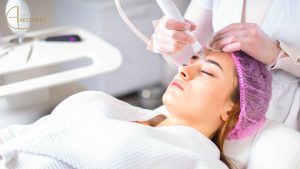
3. Hydrafacial Treatments
Hydrafacial treatments combine cleansing, exfoliation, extraction, and hydration in one session.
This treatment helps improve PIH by:
- Removing dead skin cells
- Promoting skin renewal
- Infusing brightening serums
It is particularly suitable for individuals with sensitive skin.
4. Laser Treatments
Laser therapy can effectively target deeper pigmentation.
These treatments work by breaking down melanin deposits beneath the skin.
Common laser options include:
- Fractional laser
- Q-switched laser
- Pico laser treatments
Laser treatments often provide faster results for stubborn pigmentation.
5. Microneedling
Microneedling stimulates collagen production and accelerates skin renewal.
This process helps improve both hyperpigmentation and mild acne scarring, making it a popular option for post-acne skin recovery.
How to Prevent PIH from Acne
Prevention is one of the most effective ways to avoid long-lasting pigmentation.
Here are some important tips:
Avoid Picking or Squeezing Pimples
This can increase inflammation and worsen pigmentation.
Use Sunscreen Daily
A broad-spectrum SPF protects the skin and prevents dark spots from becoming darker.
Treat Acne Early
Controlling acne breakouts reduces the risk of developing PIH.
Use Gentle Skincare
Harsh scrubs and strong products can irritate the skin and worsen discoloration.
When Should You See a Skin Specialist?
If acne marks are persistent or severe, professional treatment may be necessary.
A qualified skincare specialist or dermatologist can:
- Identify the type of pigmentation
- Recommend personalized treatments
- Prevent worsening pigmentation
Early treatment often leads to faster and more effective results.
Final Thoughts
Post-Inflammatory Hyperpigmentation is a common skin concern after acne, but it is also highly treatable. With the right combination of skincare, sun protection, and professional treatments, acne marks can gradually fade and reveal clearer, more even skin.
If you are struggling with stubborn acne pigmentation, consulting a qualified skincare professional can help you choose the most effective treatment for your skin type and concerns.
With consistent care and the right approach, achieving brighter and healthier skin is absolutely possible.