What to Expect on Your First Visit to an Aesthetic Clinic in Islamabad
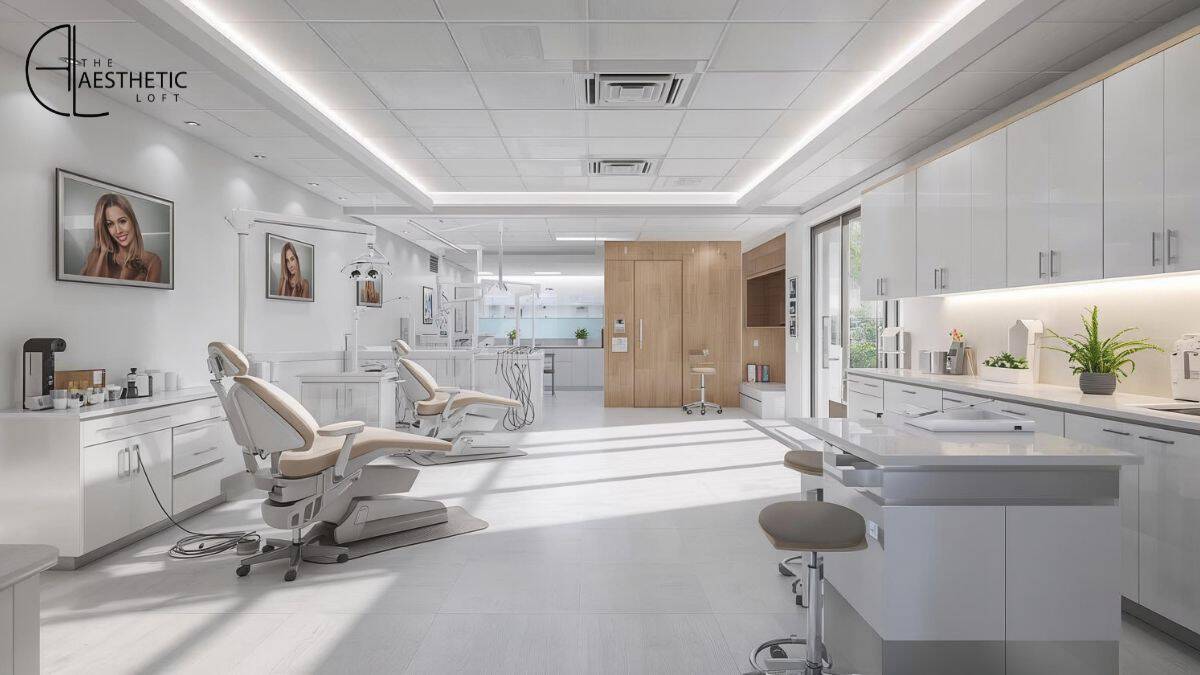
Choosing an aesthetic clinic for the first time can feel exciting, but it can also raise plenty of questions. You may be considering Botox, dermal fillers, laser treatments, skin rejuvenation, hair restoration, PRP, exosomes, or other aesthetic procedures and simply want to know what happens when you walk through the clinic door.
A first appointment should be about more than simply choosing a treatment. A reputable aesthetic clinic should take time to understand your concerns, examine your skin or hair, discuss your goals, explain suitable options, and help you make an informed decision without unnecessary pressure.
If you are searching for an aesthetic clinic in Islamabad, knowing what to expect can make your first visit much more comfortable. This guide explains the typical consultation process, what questions to ask, how treatment recommendations are made, what costs you may encounter, and the warning signs to look out for.
Why Your First Aesthetic Clinic Visit Matters
Your first appointment is an opportunity to determine whether a clinic and practitioner are right for you. A good consultation should focus on your individual anatomy, concerns, medical history, expectations, and desired outcome rather than simply promoting a particular procedure.
Aesthetic treatments can range from minimally invasive procedures to more involved treatments. Because every patient’s skin, facial structure, hair condition, and medical background are different, there is rarely one treatment that is ideal for everyone.
The consultation is therefore an important part of the treatment itself. It allows the practitioner to establish realistic expectations and develop an approach that prioritizes safety and natural-looking results.
What Happens When You Arrive at an Aesthetic Clinic?
Your first visit will usually begin with registration and a basic intake process. The clinic may collect information such as your contact details, medical history, current medications, allergies, previous aesthetic treatments, and the main concern you want to address.
You may also be asked to complete a consent or medical questionnaire before seeing the practitioner. Providing accurate information is important because certain medications, medical conditions, allergies, or previous procedures can influence which treatments are appropriate for you.
A professional clinic should protect your privacy and give you an opportunity to ask questions before any procedure is performed.
Your Initial Consultation
The consultation is usually the most important part of your first visit. The practitioner should ask what you would like to improve and, more importantly, what kind of result you are hoping to achieve.
For example, saying that you want a “better jawline” could mean different things to different patients. One person may need treatment for submental fat, another may benefit from skin tightening, while someone else may have facial proportions that could potentially be improved through a different approach.
Discussing Your Aesthetic Goals
Be honest about what bothers you and what you would like to change. You can bring photographs if you are trying to describe a particular look, but remember that results should be adapted to your own facial anatomy rather than copied from someone else.
A good practitioner will explain what is realistically achievable rather than promising that a procedure can completely transform your appearance.
Reviewing Your Medical History
Your practitioner may ask about previous procedures, allergies, medications, pregnancy or breastfeeding, skin conditions, previous reactions, and other relevant medical information.
Do not leave out information because you think it is unimportant. Something as simple as a medication or previous cosmetic procedure can sometimes affect treatment planning and safety.
Examination and Assessment
After discussing your concerns, the practitioner will usually examine the area you want to treat. For skin concerns, this may involve evaluating pigmentation, acne, scarring, skin texture, sensitivity, laxity, and signs of sun damage.
For facial treatments, the practitioner may assess facial proportions, muscle movement, volume distribution, skin quality, and underlying anatomy. Hair restoration consultations may include evaluation of hair density, scalp condition, pattern of hair loss, and donor-area quality.
Why Assessment Is Important
Two patients with the same complaint may require completely different treatments. For example, dark circles under the eyes can be caused by pigmentation, visible blood vessels, hollowing, thin skin, shadows, or a combination of these factors.
A proper assessment helps prevent inappropriate treatment and improves the likelihood of achieving a natural result.
Will the Clinic Recommend a Treatment Immediately?
Not necessarily. A reputable clinic may recommend treatment during the first visit if the assessment is straightforward and you are ready to proceed, but you should never feel obligated to have a procedure immediately.
Some treatments require preparation, blood tests, medication adjustments, skin preparation, or additional assessment before they can be performed safely. Others may require a separate appointment.
You should have enough time to understand the proposed treatment and decide whether you are comfortable proceeding.
Common Aesthetic Treatments You May Discuss
The treatment options discussed will depend entirely on your concerns and assessment.
Botox and Anti-Wrinkle Treatments
Botulinum toxin treatments are commonly discussed for dynamic wrinkles caused by repeated muscle movement. Typical treatment areas include the forehead, frown lines, and crow’s feet.
The goal should generally be to soften unwanted movement and wrinkles while maintaining a natural facial expression.
Dermal Fillers
Dermal fillers can be used for carefully selected concerns involving facial volume and contour. Depending on the product and treatment area, fillers may be considered for lips, cheeks, chin, jawline, or certain facial hollows.
Because fillers involve injecting material near blood vessels and other anatomical structures, practitioner expertise is particularly important.
Skin Rejuvenation Treatments
Depending on your skin condition, an aesthetic clinic may discuss treatments such as chemical peels, microneedling, RF microneedling, laser treatments, skin boosters, or regenerative approaches.
The appropriate option depends on whether your main concern is pigmentation, acne, scarring, wrinkles, texture, laxity, or overall skin quality.
Hair Restoration Treatments
For hair thinning, clinics may offer treatments such as PRP, exosome therapy, microneedling-based protocols, or hair transplantation.
The right option depends on the cause and stage of hair loss. A treatment should not be selected simply because it is currently popular.
Will You Need More Than One Treatment?
Many aesthetic concerns require a treatment plan rather than a single appointment. This is especially common with pigmentation, acne scars, hair loss, skin laxity, and certain body-contouring concerns.
Your practitioner may recommend a series of treatments separated by several weeks. They should explain why multiple sessions are recommended and what improvement you can reasonably expect from each stage.
Combination Treatments
In some cases, combining different procedures can address several aspects of the same concern. For example, a patient with facial aging may have both volume loss and skin laxity, requiring a combination approach rather than relying on one procedure.
However, more treatments do not automatically mean better results. A good treatment plan should be based on what you actually need.
What Should You Ask During Your First Visit?
Do not be afraid to ask detailed questions. A professional practitioner should be comfortable explaining the treatment, potential risks, expected results, and alternatives.
Questions About the Practitioner
Ask:
- What are your qualifications?
- How frequently do you perform this procedure?
- How long have you been performing it?
- What happens if a complication occurs?
Questions About the Treatment
Ask:
- Why do you recommend this treatment for me?
- Are there alternatives?
- How many sessions might I need?
- What results should I realistically expect?
- How long will the results last?
- What is the expected recovery period?
Questions About Safety
Ask:
- What are the common side effects?
- What are the serious but uncommon risks?
- What should I do if I develop a problem after treatment?
- Who should I contact outside normal clinic hours?
These questions can help you evaluate whether the clinic takes patient safety seriously.
How Much Does an Aesthetic Treatment Cost in Islamabad?
There is no single price for aesthetic treatments in Islamabad because costs vary considerably depending on the procedure, product, treatment area, practitioner experience, and number of sessions.
For injectable treatments, the amount and type of product used can significantly affect the price. Laser and energy-based procedures may vary according to the technology and size of the treatment area, while hair restoration procedures can vary based on the extent of hair loss and treatment plan.
A reputable clinic should explain what is included in the quoted price rather than giving you a vague figure without context.
Should You Choose the Cheapest Clinic?
Price should not be the only factor when choosing an aesthetic clinic. Extremely low prices can sometimes indicate differences in product quality, practitioner experience, equipment, or clinical standards.
Instead of asking only “How much does it cost?”, consider asking what product or technology is being used, who performs the treatment, and what level of aftercare is included.
Can You Get Treatment on Your First Visit?
Sometimes, yes. Whether treatment can be performed on the first appointment depends on the procedure, your medical history, the clinic’s protocol, and whether you are comfortable proceeding.
For simple treatments, a consultation and procedure may take place during the same visit. More complex procedures may require a separate appointment or preparation period.
You should never feel pressured to proceed simply because you have already arrived at the clinic.
What About Before-and-After Photos?
Before-and-after photographs can be useful when evaluating a clinic, but they should be interpreted carefully.
Ask whether the photographs represent actual patients treated by the clinic and whether the images were taken under comparable lighting, angles, and conditions. A single impressive photograph does not guarantee that you will achieve the same result.
The best clinics use before-and-after images to demonstrate realistic outcomes rather than promising identical results for every patient.
Warning Signs to Watch Out For
Not every clinic offers the same level of care. There are several warning signs that should make you pause before proceeding.
Guaranteed Results
Aesthetic medicine involves individual biological responses, so guarantees such as “100% permanent results” should be treated cautiously.
Pressure to Book Immediately
You should have the freedom to think about your options. High-pressure sales tactics are not a substitute for proper medical consultation.
No Discussion of Risks
Every procedure has potential risks. A practitioner who only discusses benefits and refuses to explain complications is a potential red flag.
Unclear Products
You should know what is being injected or applied to your skin. If a clinic refuses to identify the product, manufacturer, or active ingredient, ask why.
Excessive Treatment Recommendations
Be cautious if every consultation results in a long list of procedures without a clear explanation of why each one is necessary.
How to Prepare for Your First Aesthetic Clinic Visit
You can make your consultation more productive by preparing a few things in advance.
Make a List of Your Concerns
Write down your main concerns and prioritize them. This prevents the consultation from becoming overwhelming and helps the practitioner understand your goals.
Bring Your Medication Information
If you take regular medication or supplements, have the names available. This information can be important when assessing whether a procedure is appropriate.
Bring Previous Treatment Information
If you have previously received fillers, Botox, lasers, PRP, threads, or other aesthetic procedures, tell your practitioner when and where they were performed if possible.
Avoid Editing Your Expectations
Social media filters and heavily edited photographs can create unrealistic expectations. Instead, focus on achieving an improvement that suits your own face, skin, and overall appearance.
What Makes a Good Aesthetic Clinic in Islamabad?
A good clinic should combine qualified professionals, appropriate equipment, quality products, proper hygiene, transparent communication, and structured aftercare.
You should feel that the practitioner is listening to your concerns rather than simply trying to sell a treatment. The clinic should also explain both benefits and risks before asking you to consent.
Most importantly, a trustworthy clinic should be willing to tell you when a treatment is not appropriate. Sometimes the safest recommendation is to wait, choose a different procedure, or not treat the concern at all.
Final Thoughts
Your first visit to an aesthetic clinic in Islamabad should be an opportunity to understand your options rather than simply book a procedure. A thorough consultation allows the practitioner to assess your concerns, discuss your medical history, explain appropriate treatments, and establish realistic expectations.
Whether you are interested in Botox, fillers, laser treatments, skin rejuvenation, PRP, exosomes, hair restoration, or another aesthetic procedure, choosing the right practitioner is just as important as choosing the treatment itself.
Take your time, ask questions, understand the risks, and make sure you are comfortable with the proposed treatment plan before proceeding. The best aesthetic results come from appropriate treatment, realistic expectations, qualified practitioners, and patient safety—not from choosing the most aggressive or expensive procedure.
Frequently Asked Questions
What happens during the first visit to an aesthetic clinic?
Your first visit usually includes registration, medical history, discussion of your aesthetic concerns, physical assessment, treatment recommendations, and an explanation of risks, recovery, and expected results.
Can I get an aesthetic treatment on my first visit?
Some treatments can be performed during the first appointment, while others require preparation or a separate procedure appointment. The decision depends on the treatment and your individual assessment.
How should I choose an aesthetic clinic in Islamabad?
Look for qualified practitioners, transparent pricing, appropriate medical facilities, genuine products, good hygiene, realistic treatment recommendations, and clear aftercare procedures.
Should I ask about the risks of aesthetic treatments?
Yes. Understanding potential side effects and complications is an important part of informed consent. A reputable practitioner should explain both common and serious risks.
Is the cheapest aesthetic clinic the best option?
Not necessarily. Treatment price should be considered alongside practitioner experience, product quality, equipment, safety standards, and aftercare.
Can I get a consultation without having treatment?
Yes. A consultation should allow you to understand your options and decide whether you want to proceed. You should never feel pressured to have a procedure immediately.